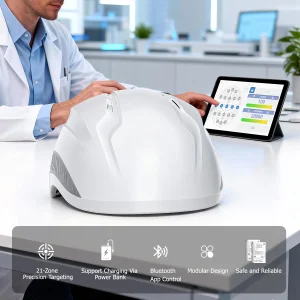
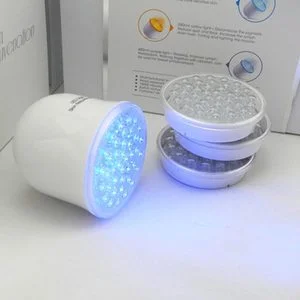
Explore our premium product portfolio designed, manufactured, and tested to meet international standards for salons, sports centers, and home use.
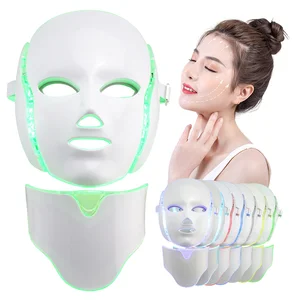

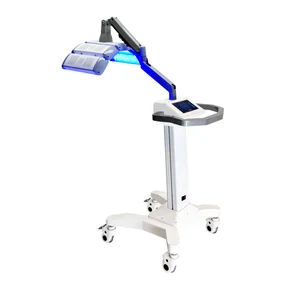
In the rapidly evolving global aesthetic, rehabilitation, and wellness sectors, LED Transdermal Systems have transitioned from experimental technologies to foundational clinical applications. By definition, an LED Transdermal System integrates narrow-band light-emitting diodes (LEDs) or VCSEL (Vertical-Cavity Surface-Emitting Laser) arrays with optimized delivery frameworks to enhance cutaneous absorption of active topicals while simultaneously triggering target cellular actions via photobiomodulation (PBM).
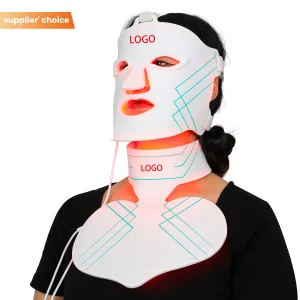
As a premier China LED Beauty Device Manufacturer, Guangzhou TK Beauty Co., Ltd. stands at the forefront of this industrial revolution. Our manufacturing philosophy is anchored on integrating advanced physical sciences with industrial engineering. By offering high-performance, clinical-grade LED beauty devices, anti-aging tools, customizable phototherapy panels, and flexible silicone face masks, we cater to global distributors, professional spa networks, sports centers, and private labels looking for reliable production lines with validated therapeutic output.
This whitepaper details the biophysics undergirding LED-assisted transdermal penetration, maps the technical advancement from traditional SMD (Surface Mounted Device) LEDs to VCSEL, analyzes China's supply chain advantages, and outlines global compliance protocols essential for medical and consumer product launches.
To understand the power of modern LED transdermal systems, one must explore the molecular level. Photobiomodulation operates primarily via the absorption of photon energy by endogenous mitochondrial chromophores, specifically cytochrome c oxidase (CCO). CCO represents the terminal enzyme in the electron transport chain (ETC) responsible for cellular respiration and ATP synthesis.
When the cutaneous barrier is irradiated with wavelengths within the "optical window" of mammalian tissue (typically 600nm to 1100nm), nitric oxide (NO) is dissociated from CCO. This dissociation reverses the inhibition of respiration, allowing oxygen binding to resume, and results in a spike of mitochondrial membrane potential, accelerated adenosine triphosphate (ATP) production, and controlled, transient increases in reactive oxygen species (ROS). These events stimulate downstream transcription factors that trigger collagen production, cellular repair, microvascular remodeling, and anti-inflammatory signaling cascades.
"The synergistic combination of optical energy and transdermal formulation operates on a dual principle: light-induced localized mild hyperthermia and photon-mediated transient cell membrane perturbation (photoporation) increase lipid bilayer fluidity, facilitating a multifold increase in the absorption kinetics of low-to-medium molecular weight compounds."
Wavelength selection dictates the optical penetration depth and biological endpoint. In China's leading manufacturing facilities, phototherapy devices are engineered with precision spectral bandwidths, typical variations being kept within ±5nm:
| Wavelength Band | Target Penetration Depth | Primary Biological Target | Key Clinical Applications |
|---|---|---|---|
| 415nm - 460nm (Blue Light) | Epidermis (< 1mm) | Porphyrins in Propionibacterium acnes | Acne vulgaris management, bacterial sterilization, and sebum control. |
| 525nm - 590nm (Green/Yellow) | Papillary Dermis (1 - 2mm) | Melanocytes & Oxyhemoglobin | Hyperpigmentation reduction, vascular redness mitigation, lymphatic drainage. |
| 630nm - 660nm (Red Light) | Reticular Dermis (2 - 3mm) | Mitochondrial Cytochrome C Oxidase | Fibroblast activation, collagen/elastin synthesis, anti-wrinkle treatment. |
| 810nm - 850nm (Near-Infrared) | Subcutaneous Tissue (3 - 5mm) | Deep Tissue Chromophores & Water | Deep muscle recovery, joint inflammation reduction, pain management, tissue healing. |
| 1070nm (Deep NIR Wavelength) | Deep Subcutaneous & Cranial Bone | Cerebral Blood Flow & Cortical Neurons | Transcranial photobiomodulation, cognitive performance, deep cerebral microcirculation. |
Guangzhou TK Beauty Co., Ltd. continuously updates its product blueprints to incorporate state-of-the-art optical components. The shift from standard Surface Mounted Device (SMD) LEDs to Vertical-Cavity Surface-Emitting Laser (VCSEL) technology represents the most significant paradigm shift in modern light-based therapies.
Unlike standard LEDs that disperse light over wide angles, VCSEL offers directional, coherent beam paths with exceptionally narrow spectral bandwidths (±1nm). This minimizes energy scattering, allowing more precise photons to reach the target depth without generating excessive, unwanted surface heat.
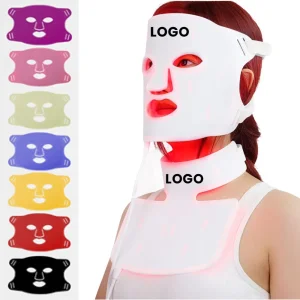
Our 3D face masks use medical-grade, highly flexible silicone. This design maximizes compliance with facial anatomy, reducing the distance between the light source and the skin (Zero-Distance Contact), thereby increasing irradiance efficiency and delivery speed.
Modern devices incorporate Bluetooth or Wi-Fi connectivity, allowing clients to configure personalized pulse frequencies, wavelength ratios, and power outputs through dedicated mobile applications, tracking progress and dosage in real-time.
Our technical roadmap emphasizes the optimization of irradiance (measured in mW/cm²) and fluence (measured in J/cm²). To ensure optimal cellular stimulation, we carefully manage the trade-offs between thermal dissipation and optical power, guaranteeing that all devices remain safe for home-use applications while delivering clinically validated energy thresholds.
LED transdermal technology is highly versatile and serves several localized professional sectors worldwide. Below are the key scenarios where Guangzhou TK Beauty’s systems are widely utilized:
Why do top global brands choose Guangzhou TK Beauty Co., Ltd. as their manufacturing partner? The answer lies in the structural efficiency of the Pearl River Delta's electronics and optics manufacturing clusters. This ecosystem provides unmatched vertical integration, from raw material procurement to advanced electronic components, custom tooling, and final assembly.
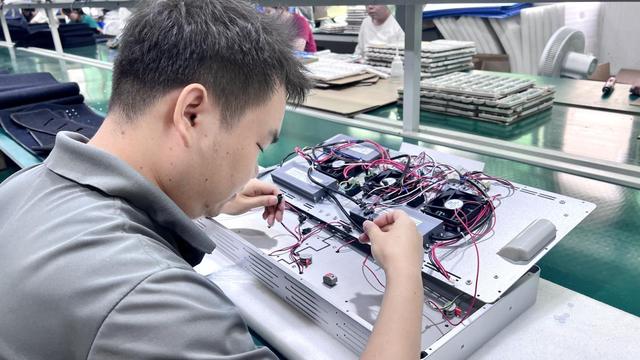
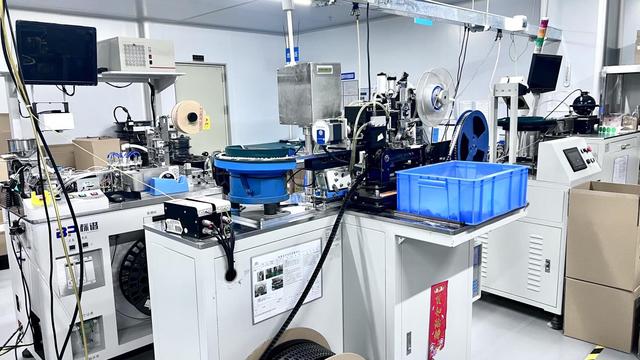
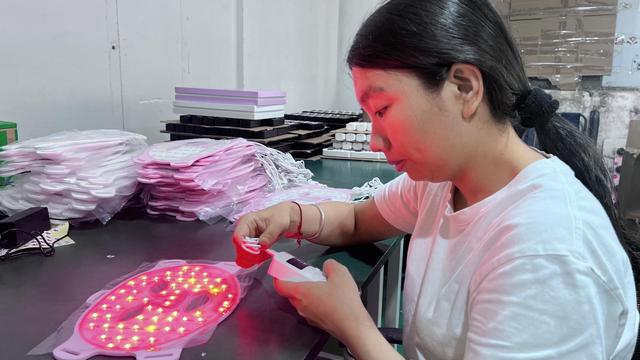
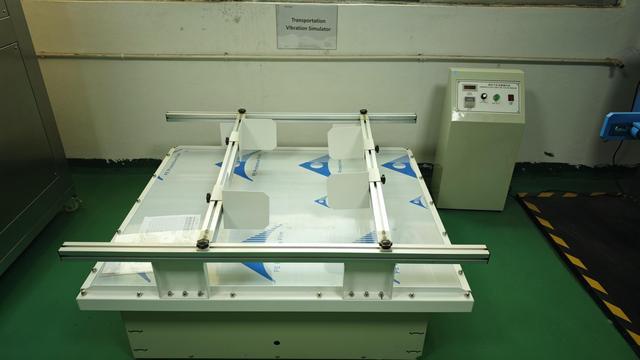
Our facility combines automated SMT (Surface Mount Technology) assembly lines with dust-free assembly cleanrooms. We utilize specialized optical testing tools, including spectroradiometers, goniophotometers, and thermal imaging cameras, ensuring that every light panel, mask, or handheld device matches its designated optical profile.
Furthermore, our manufacturing philosophy is built around rigorous supply chain tracking. We source components from audited, reliable suppliers, allowing us to maintain stable pricing and rapid production turnarounds, even during times of global logistic challenges.
Exporting cosmetic and wellness electronics requires strict adherence to regional safety and technical regulations. At Guangzhou TK Beauty, compliance is an integral part of our research and development lifecycle:
Our structured OEM/ODM workflow guarantees transparent communication from the initial concept design to final delivery:
| Phase | Process Description | Guangzhou TK Beauty Deliverable | Typical Duration | |
|---|---|---|---|---|
| Phase 1: Concept & Design | Review client requirements, select target wavelengths, design PCB boards and housing aesthetics. | 3D rendering files and preliminary technical specifications. | 1 - 2 Weeks | |
| Phase 2: Prototyping | Assemble working prototypes using CNC-milled parts and custom PCBs for testing. | Fully functional prototype sample for laboratory testing. | 3 - 4 Weeks | |
| Phase 3: Tooling & Mold Creation | Construct steel injection molds for mass production plastic components. | First-article samples from production tooling. | 4 - 6 Weeks | |
| Phase 4: Trial Production & Certification | Run a limited batch to verify quality controls and support product certification. | Compliance test reports (CE, FCC, RoHS, FDA). | 3 - 4 Weeks | |
| Phase 5: Mass Production | Initiate high-speed assembly, aging tests (minimum 24 hours), and final packaging. | Finished, retail-ready products ready for shipment. | 3 - 4 Weeks |
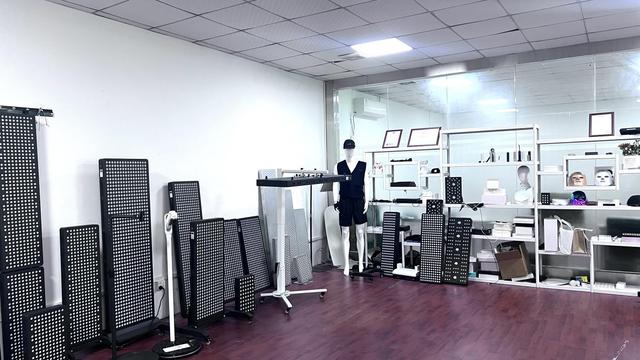
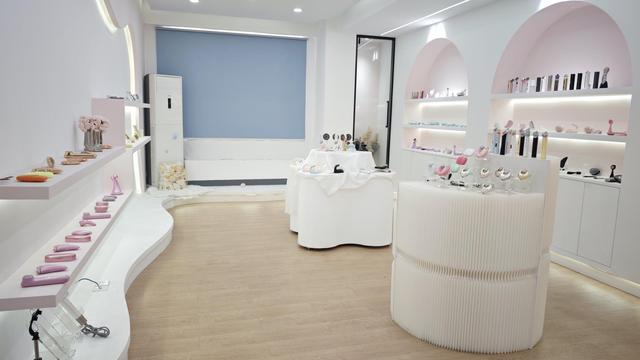
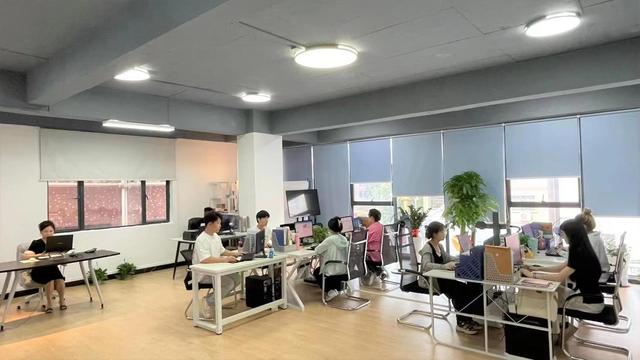
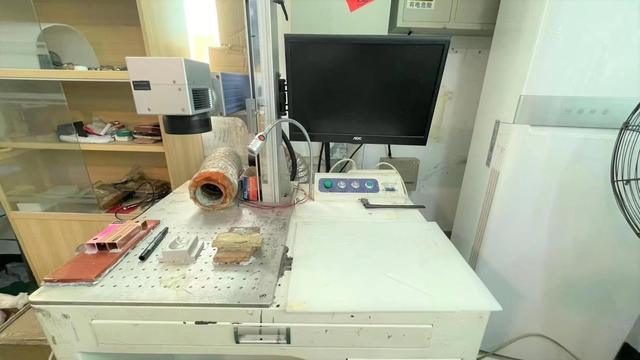
A visual look into our manufacturing floor, testing labs, aging rooms, and custom assembly setups. All images represent real, on-site operations.

Expert answers to the most common questions regarding LED device manufacturing, wavelength calibration, and customized orders.
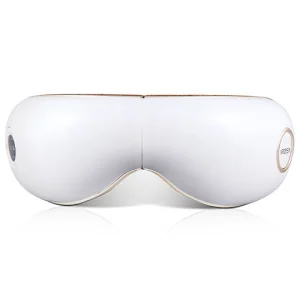
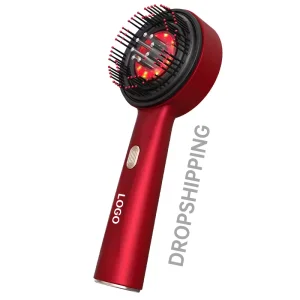
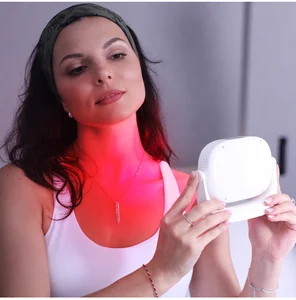
Explore additional advanced therapy panels, silicone masks, scalp massage systems, and wholesale stocklot solutions offered by Guangzhou TK Beauty Co., Ltd.

 TK Beauty