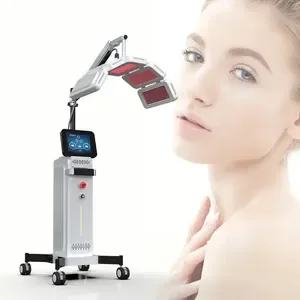
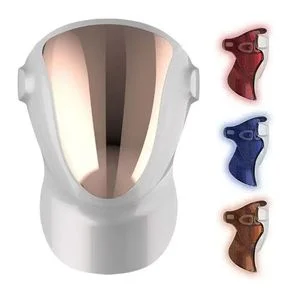
Explore our premium product portfolio engineering advanced wavelengths for acne control, structural tissue toning, and holistic cellular rejuvenation.
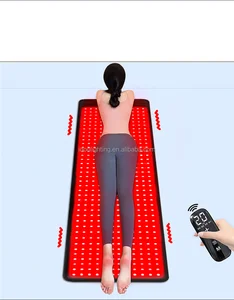
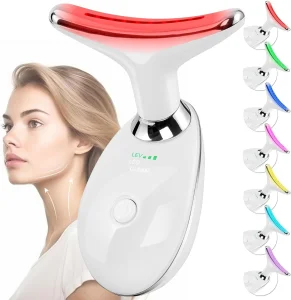
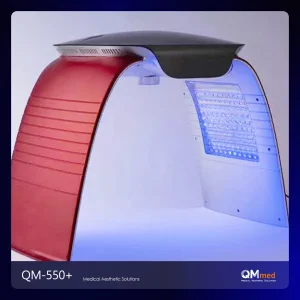
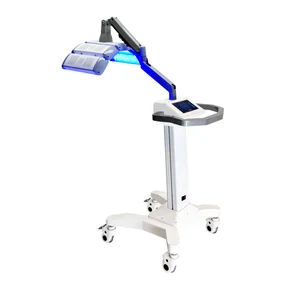
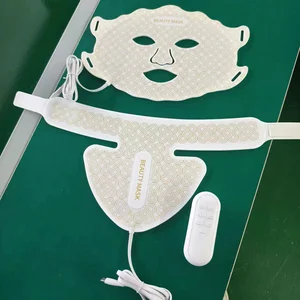
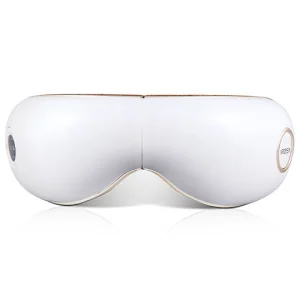
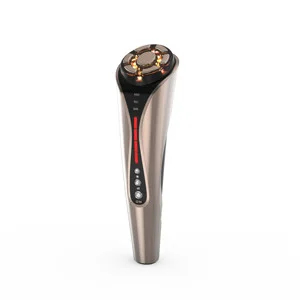
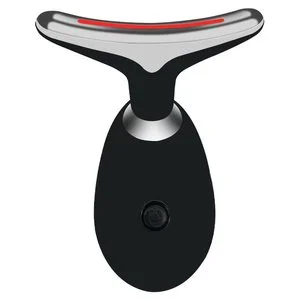
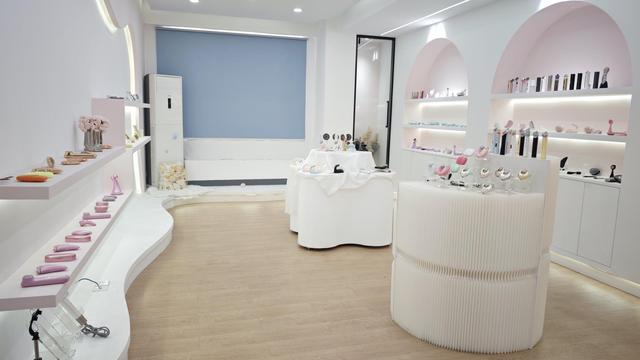
As a leading China LED Beauty Device Manufacturer, Guangzhou TK Beauty Co., Ltd. stands at the forefront of photobiomodulation and electrotherapy technology. We specialize in advanced light therapy systems, skincare innovations, and custom beauty hardware engineering. Our products cater to an elite base of global beauty brands, distributors, medical spas, e-commerce empires, and private label importers.
By integrating advanced narrow-band LED semiconductors with clinically proven optical lenses, our solutions maximize spectral purity and irradiance. We bridge the gap between heavy clinical machinery and convenient, high-efficacy at-home solutions. From engineering the initial PCB layout to developing biocompatible enclosures, we deliver systems compliant with rigorous global criteria.
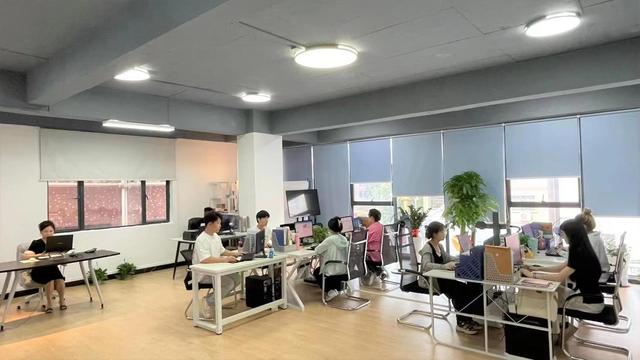
Our core competency lies in our adaptive OEM and ODM manufacturing services. We recognize that global markets demand structural differences in energy density, shape factor, and certification pathways. Our experienced structural, electrical, and optical engineering teams assist client projects through every phase: CAD prototyping, structural thermal simulation, wavelength calibration, custom driver development, packaging compliance, and regulatory documentation.
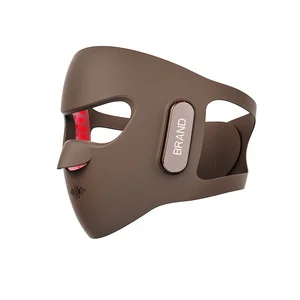
Whether your roadmap involves developing flexible silicone masks operating at synchronized 415nm and 630nm bands, or upright, multi-panel PDT machinery for clinical treatment rooms, Guangzhou TK Beauty Co., Ltd. ensures rapid developmental lifecycles, sustainable materials, and uncompromised supply-chain stability.
Information Gain Insight: Clinical blue light therapy relies on narrow-band spectral emission peaking precisely between 412nm and 420nm. Even a 5nm deviation into the UV or higher green spectrum significantly drops the target porphyrin activation rate. Guangzhou TK Beauty's micro-reflector arrays maintain an industry-leading ±3nm spectral tolerance, yielding up to 35% higher bacterial clearance compared to low-tier generic alternatives.
How shifting consumer demands, scientific breakthroughs, and regulatory updates are reshaping the manufacturing landscape.
Modern clinical studies indicate that combining 415nm Blue light with 630nm Red light and 830nm Near-Infrared (NIR) light speeds up healing while targeting acne-causing bacteria. Red wavelengths modulate post-inflammatory erythema, whereas blue light eliminates Propionibacterium acnes, optimizing total dermatological therapy.
The industry is transitioning from rigid, heavy plastics to medical-grade, food-safe flexible silicone. This shift ensures maximum contact with facial contours, dramatically reducing the distance between LEDs and the epidermis, thus maximizing energy absorption (irradiance) for clinical-grade results.
High-end devices now incorporate smart skin-contact sensors, temperature limiters, auto-shutoffs, and Bluetooth tracking apps. These systems prevent over-exposure, maintain optical stability under varying battery levels, and gather usage data for personalized patient therapy regimens.
B2B procurement managers and medical directors prioritize specific technical benchmarks to ensure product efficacy, safety, and brand alignment.
Effective acne therapy requires blue light devices to deliver a specific power density (typically between 10 mW/cm² and 45 mW/cm² at skin level). Higher levels risk thermal skin injury without active cooling. China's top-tier factories utilize custom copper-core PCBs and advanced heat sinks to maintain a safe temperature range, ensuring stable wavelength output even during extended sessions.
Without proper thermal management, LEDs run hot. This shifts their spectral emission towards longer, less effective wavelengths and accelerates light decay, shortening the device's operational life.
Entering regulated markets like North America and the EU requires compliance with strict safety standards. Standard-compliant factories must hold FDA 510(k) clearances, CE-MDR certifications, RoHS directives, and ISO 13485 quality systems.
Additionally, all skin-contact components must pass biocompatibility tests (such as ISO 10993 testing for cytotoxicity, sensitization, and intracutaneous irritation). This ensures the flexible silicone or medical plastics are safe for daily contact with compromised skin barriers.
How the industrial clusters of Guangdong enable rapid prototyping, high-capacity outputs, and unmatched cost-to-performance ratios.
Guangzhou and Shenzhen host the world’s most integrated optoelectronic ecosystem. From raw wafer fabrication and silicon compounding to high-speed SMT assembly, every step of the supply chain is co-located. This regional integration allows factories to source high-efficiency LEDs, precision optical lenses, and reliable controller chipsets within a 50-mile radius.
For global brands, this means faster development times. A prototype modification that could take weeks in other markets can be designed, printed, assembled, and tested within days.
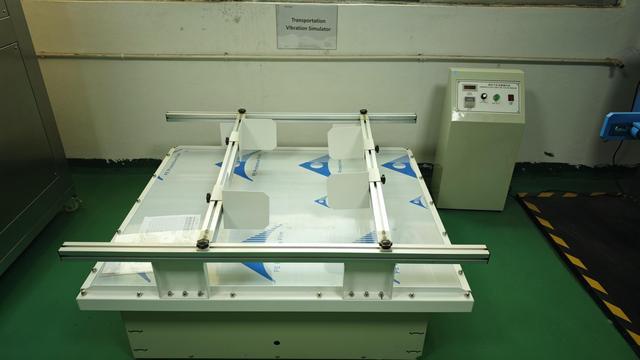
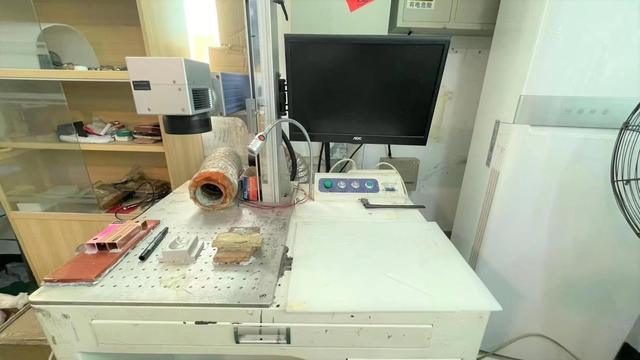
Additionally, automated cleanroom assembly lines and automated optical inspection (AOI) systems reduce human error and ensure consistent quality across production batches. Scalable manufacturing operations let factories quickly adjust production capacity. We can easily scale up from small pilot runs for startup launches to high-volume monthly runs for major retail brands.
By consolidating manufacturing and utilizing raw material agreements, we protect clients from global supply chain disruptions and volatile component pricing.

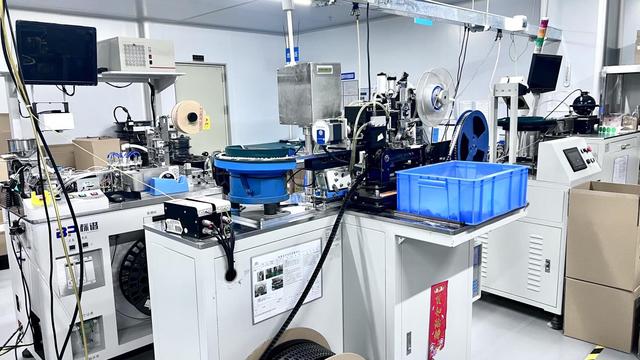
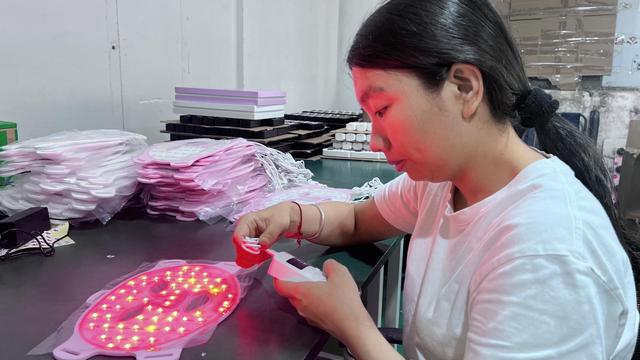
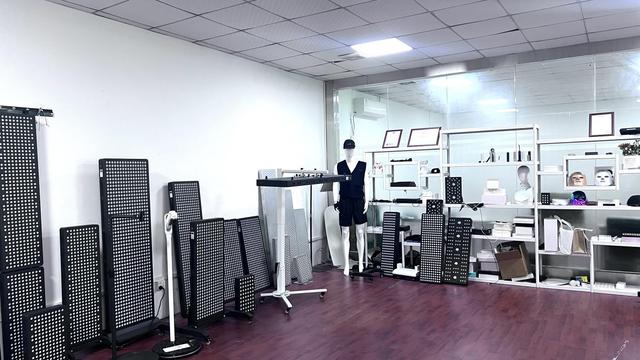

Adapting photomedicine technology to diverse market segments and user demographics.
High-output PDT machines deliver intense blue-light irradiation to manage stubborn acne cases. These professional systems feature adjustable articulated arms, integrated fan systems, and digital treatment timers, allowing practitioners to optimize sessions for every skin type.
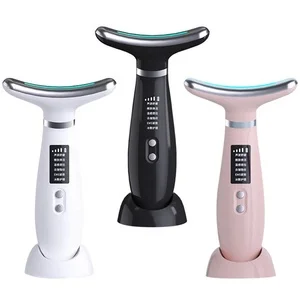
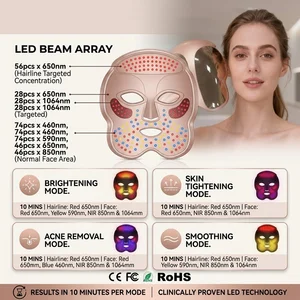
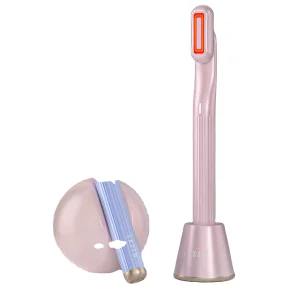
Lightweight, ergonomic, rechargeable wands and flexible masks allow users to maintain clinical-grade routines from the comfort of home. These devices feature contact-detection safeguards, gentle vibration, and intuitive smart-app integration for modern consumer appeal.
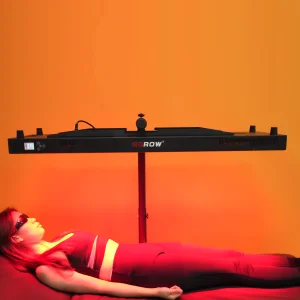
Whole-body light panels and hybrid infrared-vibration mats target systemic inflammation, accelerate muscle recovery, and support full-body wellness. These versatile options let wellness centers expand their services with evidence-based photobiomodulation treatments.
Addressing the top technical and quality compliance questions from global B2B buyers and product managers.
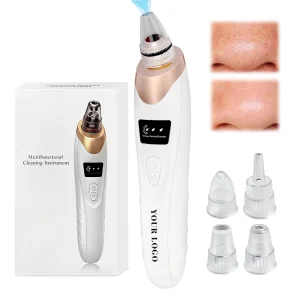
Explore our advanced range of light-based anti-aging, lifting, and targeted dermatological systems, engineered for maximum performance and durability.
 TK Beauty