Top Reasons Why Smart Beauty Devices Are in Demand?

Time:2026-09-24 Author:Liam
0%

Why are smart beauty devices in demand? The answer begins with a beauty market that keeps expanding. McKinsey’s 2023 analysis projected the global beauty market could reach $580 billion by 2027, with annual growth of about 6%. That forecast covers beauty broadly, not smart devices alone. Still, it signals a large market for tools promising more personalized routines.

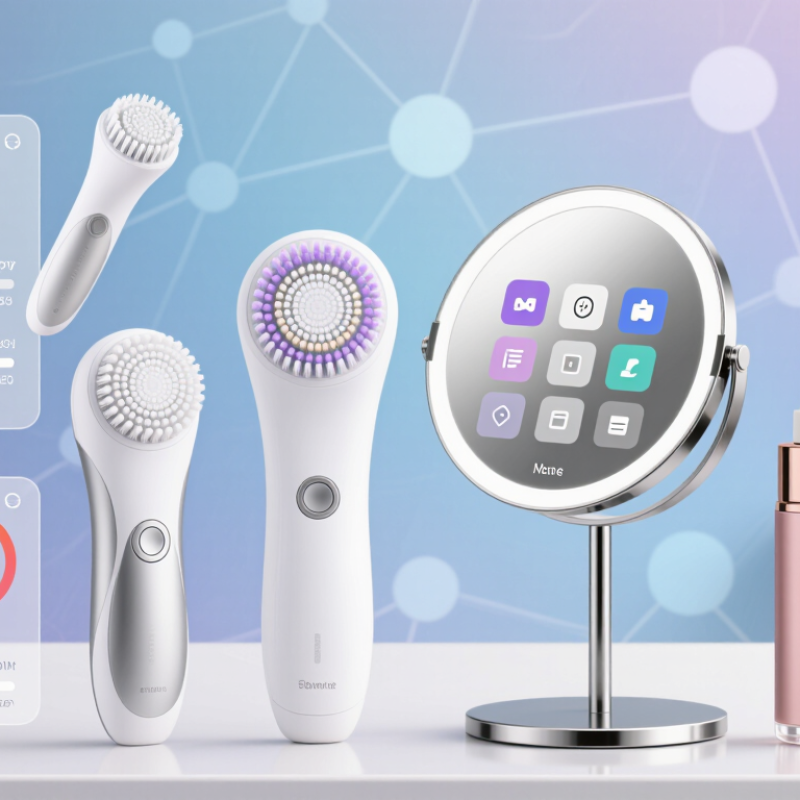
A connected mirror can track skin changes under consistent lighting. A handheld device may offer timed settings, app guidance, or usage reminders. These practical details make at-home care feel more measurable and convenient. They also help explain why consumers are interested in devices that combine familiar beauty routines with digital features. Yet interest does not prove lasting results. Device claims vary, and a polished app cannot replace reliable evidence or professional advice when a skin concern persists.

Industry forecasts should be read carefully. Grand View Research and other market analysts publish estimates for beauty technology and adjacent device categories, but definitions differ. Some reports include hair tools or salon equipment; others focus on home-use skincare products. Those differences can make market-size figures difficult to compare directly. The more useful question is not simply how fast the category may grow, but what customers actually gain. Convenience matters. So do clear instructions, safety information, and credible testing. Smart beauty devices are in demand because they promise a more tailored routine—but that promise deserves scrutiny, too.
Top Reasons Why Smart Beauty Devices Are in Demand?

What Smart Beauty Devices Are and How They Work

Smart beauty devices combine small sensors, light sources, vibration, or gentle electrical currents with software. A handheld tool might use red or blue light, while another uses sonic pulses to move across the skin. Some devices pair with an app that suggests a routine or records session time. The device does not “understand” skin like a professional does. It follows programmed settings and responds to limited measurements, such as contact, temperature, or moisture.

Here is the basic process. A sensor checks whether the device is touching the skin or detects a simple condition. Its controller then adjusts an output, such as light intensity or vibration, within preset limits. For example, a temperature sensor may pause heating if the surface becomes too warm. Follow the manufacturer’s instructions, keep the device clean, and avoid using it on irritated skin unless its guidance says otherwise. Small details matter.

Results can vary. Skin type, routine, device quality, and consistent use all affect what someone notices. A smoother feeling after a session is not proof of lasting change. Some apps also make recommendations from incomplete data, so treat them as guidance rather than diagnosis. The technology can be useful, but it is not infallible. Real skin is messier than an algorithm expects.

Top Reasons Why Smart Beauty Devices Are in Demand

Smart beauty devices combine established technologies such as LED phototherapy with sensors, timers, and app-based guidance. These features make at-home routines more convenient, consistent, and personalized.

The chart shows representative wavelengths commonly used in light-based beauty devices. Red and near-infrared light are generally used for deeper photobiomodulation research, while blue light is commonly studied for its interaction with acne-related bacteria. Actual device specifications and results vary by wavelength, irradiance, treatment time, and skin condition.

Reference: Scientific review of light-emitting diode phototherapy research published in the National Library of Medicine.

Which Beauty Needs Smart Devices Are Designed to Address

Smart beauty devices are designed around specific, persistent problems, not novelty alone. Many users need help with acne, uneven tone, clogged pores, fine lines, and unwanted hair. The American Academy of Dermatology reports that acne affects up to 50 million people in the United States each year. That scale explains the appeal of tools that support consistent cleansing, gentle light-based care, or measured exfoliation at home.

Personalization is another important need. Skin reacts differently to climate, age, medication, and daily habits. Connected devices can record usage, adjust intensity, and remind users when routines become inconsistent. McKinsey’s 2023 beauty market analysis projected the global beauty market could reach about 580 billion dollars by 2027. Its findings also highlight growing demand for effective, personalized experiences. Convenience matters here. A device used for five minutes beside a bathroom mirror may be more realistic than an ideal routine that never happens.

Smart tools also address visibility and confidence. Magnifying sensors can reveal missed areas, while progress tracking helps users notice gradual changes. However, data can create pressure. More measurements do not always mean healthier skin. The technology cannot diagnose disease, replace professional care, or correct poor habits overnight. A useful device should offer clear instructions, adjustable settings, and safety limits. It should also admit uncertainty. That part is still imperfect.

How Personalization and Connectivity Shape the User Experience

Personalization and connectivity are changing how people use smart beauty devices at home. A skin-care tool can adjust light intensity or treatment time based on a user’s selected routine. Some devices also record session history, making it easier to notice patterns over several weeks. A warm bathroom mirror, a phone nearby, and a quick progress check can make a routine feel more considered. Small adjustments matter.

Connected apps may offer reminders, usage guidance, and settings tailored to individual preferences. This can help users avoid repeating the same treatment too often or forgetting basic steps. Still, recommendations are only as useful as the information behind them. Skin can react differently from day to day, and an app cannot reliably assess every irritation or medical concern. If a device tracks personal data, users should check what is collected and how it is stored. That detail is easy to overlook.

Personalization also has limits. A suggested routine may feel precise without being clinically proven for every skin type. Users should follow the device instructions, start cautiously, and stop if discomfort develops. Connectivity can support better habits, but it should not replace professional advice when persistent symptoms appear. And sometimes, the most useful feature is simply one that is easy to use consistently.

What Factors Are Driving Demand for Smart Beauty Devices

Top Reasons Why Smart Beauty Devices Are in Demand?

Demand is being driven by convenience, personalization, and visible skincare routines. Consumers can now scan skin, adjust intensity, and track changes at home. According to Grand View Research, the broader beauty devices market was valued at about $33.7 billion in 2023. It is projected to grow at a 15.4% compound annual rate from 2024 to 2030. Smart functions help explain this momentum. They turn a five-minute routine into a measurable experience.

Home use also reduces dependence on frequent professional appointments. This matters for consumers managing busy schedules or rising service costs. McKinsey’s Future of Beauty report expects the global beauty market to approach $590 billion by 2028. Digital purchasing and personalized recommendations are supporting that expansion. However, data does not equal results. Device performance can vary with skin type, usage habits, and product compatibility. The category is not flawless. Some claims still need stronger independent testing.

Tips: Choose devices with clear instructions, adjustable settings, and published safety information. Check whether the data comes from clinical trials or internal testing. Clean contact surfaces after each use. Avoid treating app scores as medical advice. Start slowly, because excessive use may irritate sensitive skin. Reliability matters more than impressive screens. Feedback is useful, but it can also create unrealistic expectations.

How Consumers Evaluate Smart Beauty Devices Before Buying

When shoppers compare smart beauty devices, they look beyond sleek screens and app promises. They want to know what a device actually measures, how it uses that information, and whether its routine fits real life. McKinsey’s 2024 Future of Wellness survey covered 5,000 consumers across China, Germany, the UK, the US, and Australia. It found that 82% of US consumers and 73% of UK consumers considered wellness a top or important priority. That interest does not remove the need for clear evidence.

A useful evaluation starts with the intended use. Is the device designed to track skin moisture, guide light exposure, or support cleansing? Buyers should check whether the claimed benefit has been tested for that specific use, rather than relying on broad words like “personalized.” Look for practical details: sensor accuracy, cleaning instructions, app updates, and what happens when readings vary. Small details matter.

Privacy deserves a close read. Check which measurements are stored, whether sharing is optional, and how to delete saved data. Also consider comfort and consistency: a device that takes ten minutes and needs daily charging may end up in a drawer. It happens. Price, warranty, and replacement parts help reveal the long-term cost. One imperfect measure is not a diagnosis; consumers should treat app results as guidance, not certainty.

FAQS

What are smart beauty devices?

They combine sensors, light, vibration, or gentle electrical currents with software. Some also connect to an app.

How do these devices respond to skin?

A sensor may detect contact, temperature, or moisture. The controller adjusts light or vibration within preset limits. It is fairly basic.

What skin concerns are these devices designed to support?

They may support routines for acne, uneven tone, clogged pores, fine lines, and unwanted hair. Results can differ.

Can a smart device diagnose a skin condition?

No. It cannot diagnose disease or replace professional care. App suggestions are guidance, not a diagnosis.

Why do people use connected beauty devices at home?

They can make routines easier to track and adjust. A five-minute session by a bathroom mirror may feel manageable.

Do app scores prove that a routine is working?

No. Scores may rely on incomplete data, and more measurements do not always mean healthier skin. That distinction is easy to miss.

How can users reduce the chance of irritation?

Follow the instructions, clean contact surfaces, and start slowly. Avoid irritated skin unless the device guidance says otherwise. Less can be wiser.

What should someone check before choosing a device?

Look for clear instructions, adjustable settings, and published safety information. Check whether evidence comes from clinical trials or internal testing. Screens can impress; evidence matters more.

Conclusion

Smart beauty devices combine sensors, connected technology, and guided routines to help users care for their skin, hair, and other beauty needs at home. Depending on the device, they may track selected skin conditions, provide light or heat-based treatments, or offer feedback that helps users follow a consistent routine. Their purpose is to make personal care more informed and convenient, while addressing needs such as skin hydration, texture, cleansing, and hair or scalp care.

Personalization and connectivity can shape the experience by adapting recommendations to user preferences and recording changes over time. These features help explain why are smart beauty devices in demand: consumers are drawn to convenient routines, tailored guidance, and progress tracking. Before buying, they often consider whether a device suits their needs, how easy and comfortable it is to use, what features it offers, and whether its price and maintenance seem worthwhile. Clear instructions, realistic expectations, and dependable support also influence their decision.

Liam

Liam

Liam is a dedicated marketing professional with a profound expertise in the industry, where he excels at highlighting the unique advantages of our core products. With a keen understanding of market trends and consumer needs, Liam frequently updates our company’s professional blog, providing......