How to Use LED Beauty Devices Safely for Best Results?

Time:2026-06-18 Author:Liam
0%

In recent years, LED beauty devices have gained popularity for at-home skin care routines. Many users seek ways to enhance their skin’s appearance safely and effectively. However, understanding how to use LED beauty devices safely is crucial for achieving the best results.

Experiencing quick results can be tempting. Yet, neglecting safety may lead to skin irritation or other adverse effects. It is vital to follow the manufacturer’s instructions carefully. Skipping steps can diminish benefits. Proper application and timing ensure optimal skin health without risks.

Using these devices involves more than just pressing a button. A thoughtful approach is necessary. Taking time to learn about light wavelengths and skin types can make a noticeable difference. Accountability in following guidelines promotes better outcomes. Engaging in proper care lessons offers a rewarding journey toward vibrant skin.
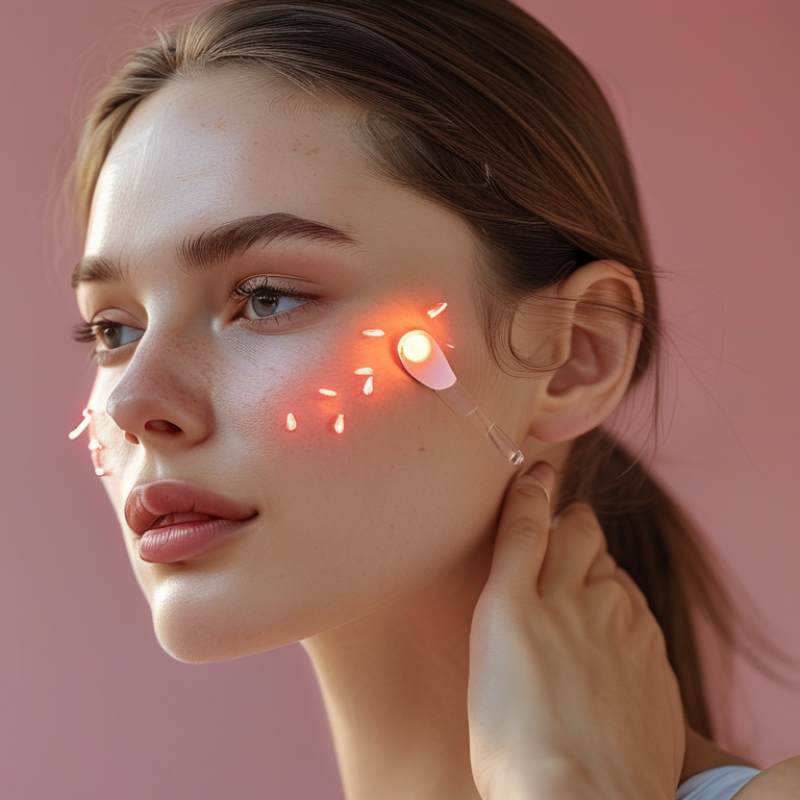
How to Use LED Beauty Devices Safely for Best Results?

Understanding LED Beauty Devices: An Overview

LED beauty devices have gained popularity for their potential skin benefits. These devices use specific wavelengths of light to target various skin concerns. According to a report from the Journal of Cosmetic Dermatology, 79% of users reported improved skin tone and texture after consistent use of LED devices. These devices can help with issues like acne, wrinkles, and hyperpigmentation.

While LED technology is promising, safety is crucial. Always maintain a safe distance from the skin to avoid burns or irritation. Familiarize yourself with each device's settings and recommended usage times. It’s advisable to start with shorter sessions and gradually increase as your skin adapts. Listen to your body; if irritation occurs, it’s best to stop use and consult a professional.

Tips: Use sunscreen daily, as LED treatments can make your skin more sensitive to sunlight. Clean your skin thoroughly before treatment to optimize results. Lastly, keep track of your skin's response over time; this reflection will guide you in adjusting your routine effectively.

Understanding LED Beauty Devices: Usage Frequency for Best Results

Choosing the Right LED Device for Your Skin Type

When choosing an LED beauty device, understanding your skin type is crucial. Research published in the Journal of Dermatology indicates that different wavelengths affect various skin concerns. For example, red light is effective for anti-aging and collagen production. In contrast, blue light targets acne by reducing inflammation and bacteria on the skin. Selecting the right wavelength can make a significant difference in achieving desired results.

Consider your skin's unique characteristics. Individuals with sensitive skin may find high-intensity devices overwhelming. Gradually introducing lower-intensity treatments can help manage reactions. A survey conducted by the American Academy of Dermatology highlighted that 40% of users experience mild irritation when starting LED therapy. Monitoring skin responses can refine your experience and enhance effectiveness.

It's also important to keep in mind the importance of consistency. Even the best device requires regular use for optimal results. Some studies suggest that users should maintain a routine of at least three sessions per week. However, a notable percentage of users, around 30%, reported difficulty sticking to their schedules. Finding motivation is essential and may require setting reminders or tracking progress. Emphasizing personal accountability can contribute to success.

Preparing Your Skin for Optimal LED Treatment Results

Preparing your skin for optimal LED treatment results is crucial for achieving the effects you desire. Start by cleansing your face thoroughly. Use a gentle cleanser to remove dirt, oil, and makeup. This step ensures that the LED light can penetrate your skin effectively, maximizing its benefits. After cleansing, pat your skin dry with a soft towel. Avoid vigorous rubbing, as this can irritate the skin.

Exfoliating is another key step in preparing your skin. This process removes dead skin cells that can block the light from reaching deeper layers. Use a mild exfoliating product once or twice a week to avoid overdoing it. If your skin feels sensitive or looks red, it might be best to skip exfoliation for that week.

Hydration is also essential. Apply a moisturizer that suits your skin type. A well-hydrated skin barrier can better absorb the LED light’s energy, enhancing its effects. However, be careful not to apply too many products at once. This could lead to irritation. Always patch-test new products and listen to your skin's reactions. Be mindful of any discomfort or redness after treatments, as this may indicate a need for adjustment in your routine.

Safe Usage Guidelines for LED Beauty Devices

When using LED beauty devices, safety should always come first. These devices often utilize specific wavelengths to promote skin rejuvenation, with studies indicating a 73% improvement in fine lines with proper usage. However, following manufacturer guidelines is crucial to achieve these results safely. Overexposure to light treatments may lead to skin irritation or burns.

Use these devices on clean, dry skin. A test patch on a small area can help gauge sensitivity. Limiting sessions to 10 to 20 minutes is recommended to avoid potential discomfort. Many users frequently report heightened skin sensitivity. It’s essential to listen to your skin’s response. Applying serums or creams with antioxidants following treatment can enhance results.

Always wear protective eyewear during treatment. Eye protection minimizes potential damage from bright LED lights. Keep the device clean and well-maintained to avoid bacterial contamination. Regularly replacing light sources, as suggested in clinical reports, helps ensure optimal performance. Remember, achieving glowing skin often requires patience and consistent, safe usage rather than frequency. A careful approach will yield the best results.

Aftercare Tips to Enhance LED Treatment Efficacy

After LED treatments, proper aftercare can significantly enhance efficacy. Studies show that skin absorbs light best when well-hydrated. Drinking enough water is crucial. An intake of at least 2 liters daily is recommended for optimal skin health. Moisturizers with hyaluronic acid can further lock in hydration. These steps help improve the absorption of light into the skin.

Additionally, avoiding harsh skincare products post-treatment is vital. Ingredients like retinol or exfoliating acids may irritate the skin. It’s wise to wait at least 24 hours before reintroducing them. The skin is sensitive after LED therapy, so sticking to gentle cleansers and soothing formulas can aid recovery. This careful approach ensures that the skin can fully benefit from the treatment without unintended reactions.

Lastly, consistency is key. Many users do not follow a regular schedule. Research shows that regular use leads to stronger results. Tracking your treatment schedule can help. It’s important to reflect on your routine and adjust as needed. If results are slow, consider consulting a skincare specialist. Adaptation and patience often yield the best outcomes.

FAQS

: How do I choose an LED device for my skin type?

: Understand your skin type. Red light suits anti-aging, while blue targets acne by reducing inflammation.

What if I have sensitive skin?

Gradually start with lower-intensity devices. High-intensity treatments may cause overwhelming reactions.

How often should I use LED devices?

Consistency is key. Aim for at least three sessions per week for optimal results.

What challenges do users face with LED therapy?

Around 30% struggle with maintaining their treatment schedules. Motivation and reminders can help.

Are there any safety concerns with LED devices?

Yes, overexposure may lead to skin irritation. Always follow manufacturer guidelines for safe use.

What preparation is needed before using LED devices?

Ensure your skin is clean and dry. A patch test on a small area can check for sensitivity.

How long should each LED session last?

Limit sessions to 10-20 minutes. This helps prevent discomfort and irritation during treatment.

Should I use anything after LED treatment?

Yes, applying serums or creams with antioxidants can enhance results post-treatment.

Is eye protection necessary during LED sessions?

Yes, wearing protective eyewear is important to minimize damage from bright lights.

What maintenance is required for LED devices?

Keep the device clean. Regularly replace light sources to ensure optimal performance and hygiene.

Conclusion

LED beauty devices have gained popularity for their ability to enhance skin health and appearance. To understand how to use LED beauty devices safely, it is essential to first recognize the different types available and identify which device aligns best with your skin type. Preparing your skin properly before treatment can significantly enhance the efficacy of the device. Following safe usage guidelines, such as maintaining a proper distance from the skin and adhering to the recommended treatment duration, is crucial to prevent any adverse effects.

Aftercare is equally important; implementing effective aftercare tips can further optimize the results of your LED treatments. By combining proper preparation, informed device selection, and diligent aftercare, you can maximize the benefits of LED beauty devices while ensuring they are used safely and effectively.

Liam

Liam

Liam is a dedicated marketing professional with a profound expertise in the industry, where he excels at highlighting the unique advantages of our core products. With a keen understanding of market trends and consumer needs, Liam frequently updates our company’s professional blog, providing......