Top Tips for How to Care for Beauty Devices Properly

Time:2026-09-29 Author:Aria
0%

Beauty devices touch intimate areas of the body, yet their maintenance is often treated as an afterthought. Learning how to care for beauty devices properly protects the device, supports healthier skin, and may extend its working life. A facial cleansing brush can hold moisture around its bristles. A microcurrent device can collect serum near its seams. These small details matter.

Board-certified dermatologist Dr. Dendy Engelman advises, “Beauty tools should be treated like anything else that touches your skin: clean, dry, and handled with care.” Her guidance reflects a practical dermatology principle. Clean the surface after every use, following the manufacturer’s instructions. Use a soft, slightly damp cloth when electronics are exposed. Never soak a powered device unless the manual clearly permits it. Remove detachable heads, rinse them separately, and let every part dry fully before storage.

Do not guess.

Inspect cords, seals, charging ports, and attachments regularly. A cracked handle or frayed cable deserves attention, not optimism. Replace worn brush heads and disposable components on schedule. Store devices away from steamy bathrooms when possible. Humidity can quietly damage internal parts. Shared devices also require extra caution, because bacteria and product residue can transfer between users.

Perfect routines are uncommon. Even careful owners forget to dry a device completely or clean the underside of an attachment. That is worth noticing, not hiding. A simple checklist can help. Match cleaning methods to the device, skin sensitivity, and product instructions. When irritation, unusual heat, odor, or malfunction appears, stop using the device and seek professional guidance. Proper care is not complicated, but consistency remains the difficult part.
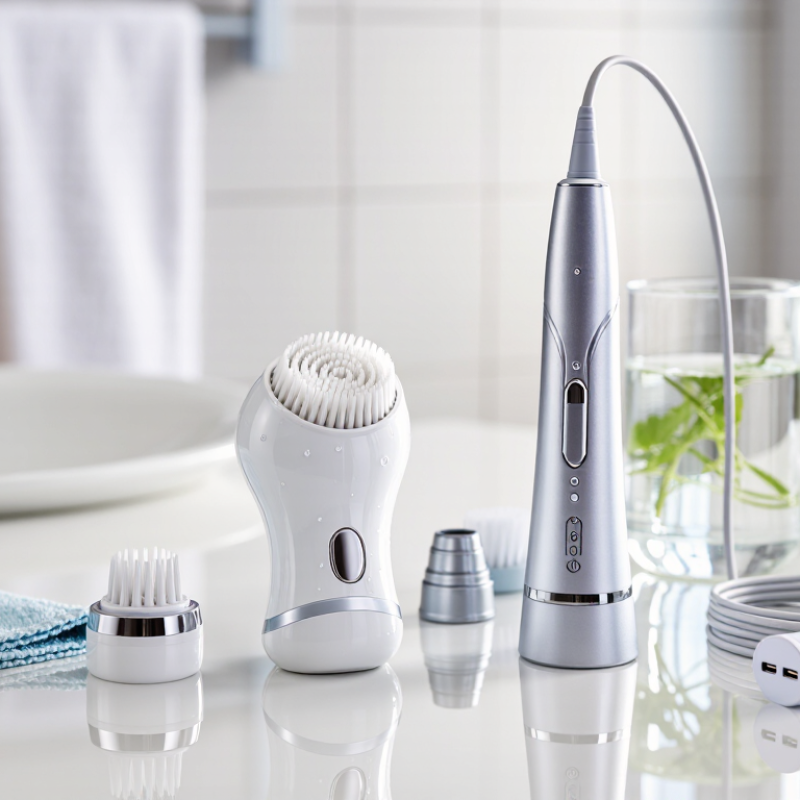
Top Tips for How to Care for Beauty Devices Properly

Identify Your Beauty Device and Its Care Requirements

Caring for a beauty device starts with identifying what it actually does.

An LED device needs clean, dry surfaces and clear light openings. A sonic cleansing device requires special attention to its brush head and water exposure. Heated tools need checks for damaged insulation and unusual smells. Microcurrent devices usually require clean contact points and compatible conductive products. Read the manual before choosing a cleaner. The wrong liquid can damage seals, sensors, or coatings.

A practical routine is simple.

Unplug the device, remove detachable parts, and wipe skin-contact areas with a soft, slightly damp cloth. Never soak an electrical unit unless its instructions clearly allow immersion. Store it away from steam, direct sunlight, and loose bathroom water. The U.S. Food and Drug Administration advises consumers to follow device instructions and stop using products showing damage or unexpected reactions. Inspect charging cables monthly. Small cracks matter.

Care also reduces environmental waste.

The Global E-waste Monitor 2024 reported 62 million tonnes of electronic waste worldwide in 2022, with only 22.3% formally collected and recycled. Extending a device’s useful life is therefore practical, not cosmetic. Still, I sometimes clean too aggressively, especially after a rushed evening routine. That habit can weaken surfaces over time. Check the device’s material, protection rating, battery type, and replaceable parts before creating a care schedule.

Clean the Device Safely After Every Use

Top Tips for How to Care for Beauty Devices Properly

Cleaning a beauty device after every use protects both the device and your skin. Unplug it first, then let heated surfaces cool completely. Wipe the contact area with a soft, slightly damp cloth. Never pour water directly onto the device. If it is not clearly waterproof, keep moisture away from openings, buttons, and charging ports.

Tips

Use a clean cotton swab for narrow edges and light residue. A mild, fragrance-free soap can help with washable attachments, but rinse them carefully. Avoid alcohol, abrasive powders, and rough towels unless the care instructions specifically allow them. These materials may damage coatings or leave tiny scratches.

I once stored a device before it was fully dry, and a faint odor developed later. That mistake reminded me to check every seam before putting it away. Dry each part with a lint-free cloth, then leave it in an open, clean area. Inspect the surface for cracks, sticky buildup, or unusual heat. If anything looks damaged, stop using it and seek qualified repair advice. Clean hands matter too, because freshly washed fingers reduce oils transferred during storage.

Store Beauty Devices in a Dry, Protected Place

Top Tips for How to Care for Beauty Devices Properly

Store Beauty Devices in a Dry, Protected Place

I have learned that storage affects a beauty device more than occasional cleaning. A dry location helps protect electrical parts, charging contacts, and sensitive surfaces from moisture. Keep each device away from sinks, bathtubs, steamy windows, and damp bathroom drawers. Even a small splash can enter seams and remain unnoticed.

Choose a clean shelf or drawer with gentle airflow. Place the device on a soft, dry cloth, not directly beside loose cosmetics. Protect cords from sharp bends and keep attachments together in a small container. If the device was used with serum or water, wipe it carefully and let it dry fully before storage. Never seal a damp device inside a closed case.

Tips: Check the storage area weekly. Look for condensation, residue, or a musty smell. Remove batteries when the instructions recommend it, especially before long-term storage. Keep charging cables away from wet surfaces. A tidy space makes damage easier to notice.

I once stored a facial tool near a shower, assuming the drawer was dry enough. It was not. The contacts later showed slight discoloration.

That mistake reminded me to inspect hidden areas, not only visible surfaces. Manufacturer instructions should guide cleaning, charging, and temperature limits, because different devices need different care. Avoid storing them in direct sunlight or near heaters. Heat can weaken materials over time, even when the device still appears normal.

Inspect Parts, Cords, and Attachments Regularly

Regular inspection is the quiet habit that keeps beauty devices safe and dependable. Before each use, examine the housing for cracks, loose seams, or unusual swelling. Run your fingertips along the cord, especially near the plug and device entry point. Look for flattened insulation, exposed fibers, discoloration, or heat damage. Stop using it if anything feels brittle or smells burnt. Small warning signs matter.

Remove detachable heads and attachments, then check their locks, threads, and contact surfaces. A head that wobbles can irritate skin or distribute heat unevenly. Inspect vents for dust, dried product, and hair that could restrict airflow. Use a dry, soft brush unless the care instructions permit mild moisture. Never pull the cord to reposition a device; grip the plug instead. I once focused on the main body and missed residue inside an attachment. That mistake reminded me that hidden areas deserve equal attention.

Keep a simple inspection log with the date and any changes you notice. This helps reveal gradual problems that memory often overlooks. Replace damaged parts with the correct, manufacturer-approved type, not a convenient substitute. Check that attachments are fully seated before powering the device. After cleaning, let every washable component dry completely before storage. If the device becomes unusually hot, noisy, or intermittent, unplug it and seek qualified service. Do not keep testing it “just once more.”

Top Tips for How to Care for Beauty Devices Properly - Inspect Parts, Cords, and Attachments Regularly

Part or Area What to Inspect Suggested Frequency Care or Safety Action
Power cord and plug Look for cuts, cracking, exposed wires, loose connections, bent pins, or heat discoloration. Before each use Do not use a damaged cord or plug. Unplug by holding the plug, not by pulling the cord, and arrange repair or replacement through an appropriate service provider.
Device body and casing Check for cracks, loose panels, unusual rattling, or signs of moisture inside openings. Weekly and after a drop Stop using a device with a cracked casing or suspected internal damage. Follow its manual for approved cleaning; keep liquids away from vents and electrical openings.
Removable attachments Check that attachments fit securely and have no cracks, sharp edges, loose parts, or worn contact surfaces. Before use and during cleaning Use only attachments specified as compatible in the device instructions. Remove, clean, and dry them as directed before storage.
Brushes, rollers, and treatment surfaces Look for trapped hair, product buildup, residue, fraying, or surface wear. After each use or as directed Switch off and unplug before cleaning. Use the cleaning method recommended in the manual, and allow parts to dry fully before reassembly.
Air intake and vents Check for lint, dust, hair, or blocked openings that could restrict airflow. Weekly, or more often with frequent use Clear debris using the method described in the instructions. Do not operate the device with blocked vents or insert objects into openings.
Battery and charging port Check for a loose port, corrosion, unusual heat, leakage, or swelling. Before charging Use the charging equipment and method specified for the device. Stop using or charging a device with a swollen or leaking battery; follow local guidance for safe service and disposal.
Storage and cable winding Check that the device, cord, and attachments are dry and free from pressure or tangling. After each use Store in a clean, dry place. Coil cords loosely rather than wrapping them tightly around the device, and avoid pulling or pinching them.

Good practice: Always follow the device’s own instructions for inspection, cleaning, attachment compatibility, and servicing. Unplug corded devices before inspecting or cleaning them.

Replace Worn Components and Follow Maintenance Guidelines

Beauty devices work better when worn components are replaced on time. In regular home use, inspect seals, filters, applicator heads, cords, and cooling surfaces before each session. Small cracks can trap residue or affect contact with skin. I learned this after ignoring a slightly loose attachment; performance became uneven. That mistake was avoidable. Follow the maintenance schedule in the instruction manual, even when the device still appears functional. A working display does not prove safe internal operation. Use only compatible replacement parts recommended by the manufacturer. Improvised pieces may change pressure, heat, or electrical performance. Keep purchase dates and replacement dates in a simple note. This makes maintenance less dependent on memory.

Tips: Unplug the device before cleaning or changing any component. Let heated parts cool completely. Use a soft, dry cloth unless the manual permits a mild cleaner. Never immerse electrical sections. Check for unusual heat, noise, odor, or vibration. Stop using the device when these signs appear. Do not stretch damaged cords or tape over exposed wear. A short inspection saves trouble.

Maintenance guidelines are not suggestions to skim once. They explain storage temperature, cleaning frequency, charging habits, and component lifespan. Store the device in a dry, dust-free case, away from direct sunlight and bathroom steam. Clean detachable parts separately, then dry them fully before reassembly. Replace parts sooner if they show warping, discoloration, stiffness, or reduced performance. Still, replacement timing is not always obvious. When uncertain, ask a qualified service professional rather than guessing. Record what changed and how the device performs afterward. This practical evidence helps identify recurring problems and improves future care.

Top Tips for Caring for Beauty Devices Properly

Recommended maintenance intervals help keep beauty devices clean, safe, and effective. Always follow the specific maintenance instructions supplied with your device.

Clean removable parts after every use, inspect components regularly, and replace parts when they become cracked, loose, discolored, or less effective.

FAQS

Where should I store a beauty device?

Keep it in a dry, clean drawer or on a shelf with gentle airflow. Keep it away from sinks, steam, and direct sunlight.

Can I put a damp device in its case?

No. Wipe it carefully and let it dry fully before storing it. A closed case can trap moisture.

How should I protect charging cables?

Keep cables away from wet surfaces and avoid sharp bends. Small details matter.

What should I check before using the device?

Inspect the cord, seals, filters, and attachments for cracks or looseness. Stop using it if you notice unusual heat, noise, odor, or vibration.

When should I replace worn components?

Follow the device’s maintenance schedule. Replace parts sooner if they look warped, discolored, stiff, or perform poorly.

How should I clean detachable parts?

Unplug the device first, then clean parts as directed in its manual. Dry them fully before reassembly. Never immerse electrical sections.

What if I am unsure which replacement part fits?

Check the manual or ask a qualified service professional. Improvised parts may affect pressure, heat, or electrical performance.

How can I keep track of maintenance?

Write down purchase and replacement dates, plus any performance changes. I sometimes forget small checks, so a simple note helps. That’s worth remembering.

Conclusion

Knowing how to care for beauty devices properly starts with identifying the type of device you own and checking its specific care instructions. Different tools may have different cleaning needs, so use only suitable methods and materials. After each use, clean the device safely to remove product residue and keep it ready for next time. Make sure it is switched off and handled according to its instructions while cleaning.

Store beauty devices in a dry, protected place away from moisture, heat, and accidental damage. Regularly inspect the device, including its cords, attachments, and other removable parts, for signs of wear or damage. Replace worn components when needed, and follow the recommended maintenance guidelines to help keep the device in good working condition. Consistent care can support safe, reliable use and help extend the life of your beauty tools.

Aria

Aria

Aria is a dedicated marketing professional with a deep passion for innovative strategies and a keen understanding of our company's product offerings. With a wealth of experience in the industry, Aria excels at crafting engaging content that highlights the unique features and benefits of our......