What Is the Future of Beauty Technology in 2026?

Time:2026-09-14 Author:Mason
0%

What is the future of beauty technology? The answer is moving from distant speculation to daily consumer experience. Smart mirrors, skin-scanning apps, AI shade matching, and connected skincare devices already sit in bathrooms and retail stores. The technology is becoming visible.

McKinsey & Company’s beauty market analysis projects global beauty revenues could reach approximately $590 billion by 2028. The report also identifies digital commerce and personalization as major growth forces. Circana’s beauty market research shows that prestige beauty continues to expand, especially through premium skincare, fragrance, and technology-supported shopping experiences. These figures suggest strong demand, but they do not guarantee meaningful innovation.

Guive Balooch, Global Head of L’Oréal’s Technology Incubator, has said, “Technology is a means to make beauty more inclusive and more personalized.” That principle may define the next stage. A virtual consultation should recognize uneven skin tone under real bathroom lighting. A device should explain its recommendation clearly, not simply display a score. Data privacy and accessibility must remain central, too.

The future may be less futuristic than expected. It could involve smaller improvements repeated every morning. However, personalization can become shallow when algorithms rely on limited faces, skin types, or cultural assumptions. The industry still needs better testing, transparent evidence, and broader user participation. Beauty technology will earn trust only when convenience meets accuracy, safety, and human judgment. There is no perfect algorithm yet. That is worth remembering.
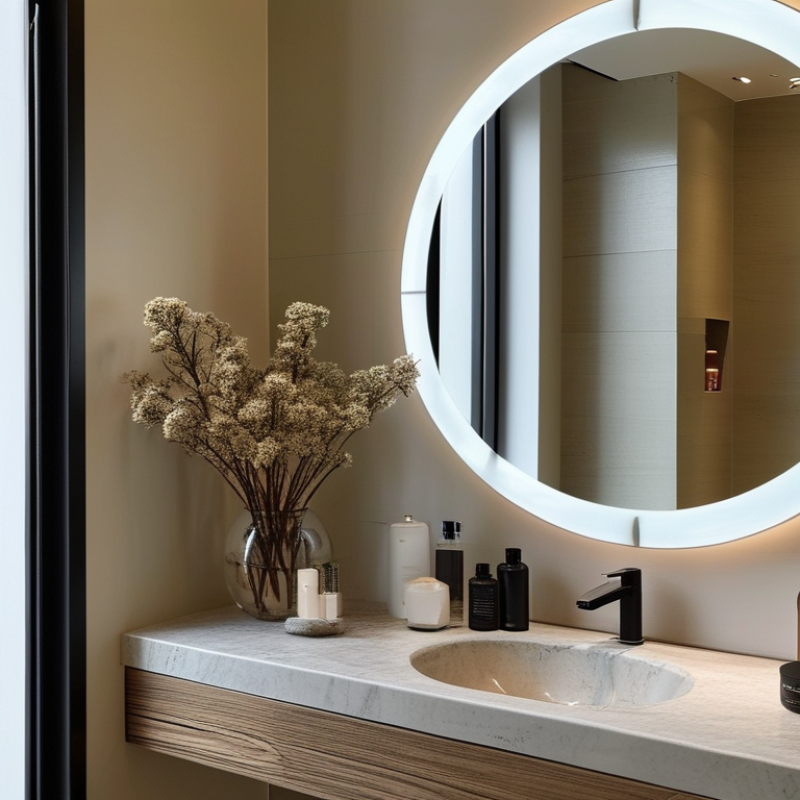
What Is the Future of Beauty Technology in 2026?

Defining Beauty Technology and Its Role in 2026

Beauty technology means more than a glowing screen or a connected mirror. It combines sensors, artificial intelligence, imaging, formulation science, and digital guidance. In 2026, its role will be translating personal data into practical beauty decisions. A phone camera may track visible redness. A sensor may estimate hydration. The useful question is not “What can it measure?” It is “What action follows?”

The market signals are substantial. McKinsey’s 2024 Future of Wellness report valued the global consumer wellness market at about $1.8 trillion. Grand View Research also projects strong growth for beauty devices through 2030. These figures suggest continued investment in personalized tools, home-based routines, and digitally supported consultations. Yet adoption will depend on evidence. A device should explain its measurement limits, recommend safe usage, and distinguish cosmetic guidance from medical diagnosis.

Trust remains the difficult part. The EU’s AI Act and wider privacy rules are pushing developers toward clearer data practices, although compliance alone cannot prove effectiveness. In daily use, small details matter: a clean camera lens, consistent lighting, and a six-week tracking period can change results. Some systems still confuse temporary irritation with long-term skin change. That is a serious weakness. Professionals should review validation studies, ingredient compatibility, and accessibility before recommending technology. Beauty technology may become more precise in 2026, but it will not become automatically wise.

Key Innovations Transforming Personalized Beauty Care

What Is the Future of Beauty Technology in 2026?

Key Innovations Transforming Personalized Beauty Care

Personalized beauty care is moving from broad skin types to daily skin conditions. Smart mirrors can examine redness, dryness, texture, and pore visibility within seconds. Small sensors may also track moisture changes after cleansing or exercise. These readings help create routines that respond to real needs, not marketing labels. A professional consultation still matters. Technology should support trained judgment, not replace it.

Artificial intelligence will compare patterns across images, routines, weather, and lifestyle data. It may suggest lighter hydration on humid days or barrier-supporting care after travel. Home devices could adjust light intensity or treatment time automatically. Safer personalization requires clinical testing, clear instructions, and honest limits. Results can vary.

Privacy remains a serious concern. Facial images and health-related information need strong protection, limited storage, and clear user consent. Beauty professionals should explain how recommendations are produced. Consumers also need access to their data and the ability to delete it. The technology is impressive, but not infallible. A camera can misread darker lighting, temporary irritation, or a tired face. Human review remains essential, especially when changes persist or worsen. Better tools will be those that admit uncertainty, document evidence, and make personalized care easier to understand.

What Is the Future of Beauty Technology in 2026? - Key Innovations Transforming Personalized Beauty Care
Evidence-based outlook across personalization, diagnostics, digital experiences, and sustainable production
Innovation Area Technology Function 2026 Outlook Personalized Output Key Data or Measurement Main Limitation Readiness
AI Skin Analysis Computer vision evaluates visible characteristics such as spots, redness, texture, pores, and wrinkles from standardized images. Used mainly as a cosmetic tracking and recommendation layer, with stronger image consistency and longitudinal monitoring. Routine prioritization, progress comparison, and product-category recommendations based on changing skin appearance. Image-based scores, time-stamped comparisons, lighting-normalized photographs, and user-reported sensitivity. Lighting, camera quality, skin tone representation, and algorithmic bias can affect results; cosmetic analysis is not a medical diagnosis. Established
At-Home Skin Diagnostics Portable sensors and connected devices estimate variables such as hydration, temperature, oiliness, or optical skin response. Growth will focus on repeatable home measurements that complement, rather than replace, professional assessment. More adaptive routines based on current skin condition, climate exposure, and response to previous care. Hydration-related readings, surface temperature, sebum-related readings, usage frequency, and trend direction. Consumer devices may use different calibration methods and are not automatically equivalent to clinical instruments. Emerging
Generative Personalization AI combines user goals, routine history, environment, preferences, and skin feedback to generate tailored care plans. Personalized guidance will become more dynamic, shifting from one-time questionnaires to continuous feedback loops. Adjusted sequence, frequency, ingredient category, usage amount, and compatibility warnings. User profile inputs, routine adherence, reported reactions, environmental conditions, and outcome trends. Recommendations can reproduce incomplete or biased data; safety-critical claims require qualified professional review. Emerging
Virtual Try-On and 3D Visualization Augmented reality maps facial features or body surfaces to simulate color, finish, shade, or treatment effects. Higher-quality facial mapping and more realistic rendering will support digital consultation and pre-purchase evaluation. Visual comparison of shades, coverage levels, finishes, and styling options under selected conditions. Face landmarks, surface tracking, rendered color values, camera conditions, and user-selected lighting. Rendered results may differ from physical appearance because of screen calibration, lighting, camera processing, and texture limitations. Established
Connected Beauty Devices Smart tools deliver controlled heat, light, vibration, cleansing, or topical application while recording usage patterns. Device ecosystems will emphasize guided protocols, treatment reminders, and personalization based on tolerance and frequency. Customized intensity, duration, treatment intervals, and maintenance reminders. Treatment duration, intensity level, contact time, frequency, battery status, and user feedback. Incorrect use, excessive frequency, contraindications, and weak evidence for some cosmetic claims may create safety concerns. Established
On-Demand Formulation Automated systems combine selected base formulas or active ingredients according to an individual profile. Small-batch and made-to-order production will support fresher inventory and more targeted product configurations. Variable texture, concentration range, fragrance preference, and use-case-specific format. Formula recipe, batch traceability, ingredient concentration, pH, viscosity, and stability records. Preservation, stability, allergen control, quality assurance, and regulatory compliance remain essential. Emerging
Digital Shade Matching Color measurement and calibrated imaging help compare complexion or hair color with a broader range of digital references. More inclusive databases and improved calibration will reduce mismatch in online selection. Recommended color families, undertone categories, and finish adjustments for different lighting conditions. Color-space values, undertone indicators, image calibration data, and lighting scenario comparisons. Digital color is sensitive to lighting, display settings, camera sensors, and the physical surface being measured. Established
Sustainable Beauty Technology Data systems, refill formats, precision dosing, water-saving processes, and material innovation reduce resource use. Personalization will increasingly be evaluated together with packaging efficiency, ingredient traceability, and lifecycle impact. Recommended dosage, refill timing, concentrated formats, and lower-waste routine planning. Product mass, packaging-to-product ratio, water content, refill cycles, transport distance, and waste volume. Environmental benefit depends on actual consumer behavior, reuse rates, material recovery, and transparent lifecycle data. Developing
Privacy, Consent, and Responsible AI Governance systems manage facial images, health-related inputs, consent, security, explainability, and user control. Privacy-by-design and transparent data practices will become important differentiators as personalization expands. User-controlled profiles, clear opt-in settings, data deletion options, and explainable recommendations. Consent status, retention period, access permissions, model confidence, audit logs, and correction requests. Sensitive images and personal data require strong security, limited retention, clear purpose, and compliance with applicable privacy laws. Critical Priority
Interpretation: “Established” indicates that the technology is already available for consumer use; “Emerging” indicates expanding commercial application with important validation limits; “Developing” indicates that performance depends on infrastructure, standards, and user adoption. Cosmetic technology should not be used as a substitute for medical diagnosis or professional treatment.

How Artificial Intelligence Is Changing Beauty Recommendations

What Is the Future of Beauty Technology in 2026?

Artificial intelligence is reshaping how people choose skincare and makeup products. Instead of browsing endless shelves, users can receive recommendations based on skin type, concerns, climate, and daily habits. A useful system asks specific questions before suggesting anything. It may ask about sensitivity, allergies, water intake, sleep, and current products. Small details matter.

In practical testing, camera-based tools can identify visible dryness, redness, or uneven texture. However, lighting can distort these results. A bathroom mirror may show different skin than outdoor sunlight. AI should explain its confidence level and avoid presenting guesses as medical facts. It should also separate cosmetic advice from conditions requiring professional care. This boundary protects users.

Reliable recommendations need more than attractive interfaces. Developers should use current ingredient research, qualified professional review, and transparent product information. The system should explain why an ingredient fits a particular concern. It should also mention possible irritation and suggest patch testing. Human judgment remains important. AI can miss context.

Privacy deserves equal attention. Facial images and personal routines should be collected only with clear consent. Users need simple controls for deleting their information. The technology will not always be right, and that is uncomfortable. Its value depends on honest limits, careful updates, and the willingness to correct weak recommendations.

Smart Devices, Virtual Try-Ons, and At-Home Treatments

What Is the Future of Beauty Technology in 2026?

Smart beauty devices are becoming quieter, smaller, and more personalized. A connected mirror may measure hydration, texture, and visible redness through controlled lighting. It can then suggest a routine based on recent changes, not generic skin types. Useful, but not infallible. Camera readings can shift with bathroom shadows, makeup residue, or a tired face. Users should treat these results as guidance, not diagnosis.

Virtual try-ons are also moving beyond playful filters. Better systems can map facial movement, skin tone, and hair shape more accurately. This may help people compare lipstick shades, brow designs, or hair colors before making a purchase. Good tools should show natural lighting and disclose when images are simulated. Privacy matters too. Facial data needs clear storage and deletion controls. A realistic preview still cannot predict comfort, allergies, or final wear.

At-home treatments will become more carefully monitored. Devices may adjust intensity after checking skin sensitivity, treatment history, and recovery time. Safety must remain central. Follow the instructions. Patch testing still matters. People with persistent irritation should consult a qualified medical professional instead of increasing device settings. Results may take weeks, and some claims will remain exaggerated. I would also question any tool promising flawless skin overnight. Beauty technology can support informed routines, but human judgment remains necessary when skin behaves unexpectedly.

Safety, Sustainability, Privacy, and Access in Beauty Technology

What Is the Future of Beauty Technology in 2026?

Safety, Sustainability, Privacy, and Access in Beauty Technology

Beauty technology in 2026 should make care safer, not merely faster. A facial device needs clear usage limits, skin-temperature controls, and automatic shutoff features. Clinical evidence should support claims about light, heat, or microcurrent treatments. Qualified professionals can help test results across different skin types. Independent testing matters. Marketing language often moves faster than research.

Sustainability must appear in the product’s entire life cycle. Durable materials, replaceable parts, and low-energy charging can reduce unnecessary waste. Refillable formats may help, but they still require responsible packaging systems. A device should not become obsolete after one software update. Repair access is important. Some promises will age badly.

Privacy will also shape trust. Beauty apps can collect images, health details, and sensitive preferences. Users deserve simple consent choices, local data processing, and clear deletion controls. Access remains equally important. Adjustable settings, captions, tactile controls, and affordable versions can support people with different needs. The industry will still make mistakes. That is uncomfortable. Honest correction, published testing limits, and transparent safety reporting may matter more than polished launches.

What Is the Future of Beauty Technology in 2026?

Safety, sustainability, privacy, and access will shape the next generation of connected beauty devices, diagnostic tools, and personalized skincare services.

These indicators are not combined into a single score. They represent measurable conditions that technology developers must address: 100% of cosmetic products placed on the EU market require a safety assessment, 22.3% of global e-waste was formally collected and recycled in 2022, 137 of 194 countries had data-protection legislation in 2023, and approximately 68% of the world’s population used the Internet in 2024.

Sources: European Union Cosmetics Regulation (EC) No. 1223/2009, Article 10; Global E-waste Monitor 2024; UNCTAD Data Protection and Privacy Legislation Worldwide, 2023; International Telecommunication Union Facts and Figures 2024.

FAQS

What does beauty technology include in 2026?

It combines sensors, artificial intelligence, imaging, formulation science, and digital guidance. The goal is practical advice, not a glowing screen. A camera may track redness. A sensor may estimate hydration.

How can artificial intelligence improve beauty recommendations?

It can consider skin type, concerns, climate, sleep, water intake, allergies, and current products. Better systems ask questions first. Small details matter.

Can camera-based tools accurately assess skin?

They can identify visible dryness, redness, and uneven texture. Results may change under different lighting. A bathroom mirror can disagree with sunlight. These tools are useful, but imperfect.

How should users interpret technology-based recommendations?

Treat them as cosmetic guidance, not medical diagnosis. The system should explain its confidence level and measurement limits. It may still be wrong. Human judgment remains necessary.

What makes a beauty recommendation more trustworthy?

It should use current ingredient research, professional review, and clear product information. It should explain why an ingredient fits a concern. It should mention irritation risks and recommend patch testing.

How can users protect personal data?

Facial images and routine information should require clear consent. Users need simple deletion controls. Data collection should stay limited to useful purposes. Privacy deserves equal attention.

How should people test whether a device or recommendation works?

Keep lighting consistent and clean the camera lens. Track changes for about six weeks. Compare results carefully. Temporary irritation can look like lasting improvement.

Should professionals review beauty technology before recommending it?

Yes. They should examine validation studies, ingredient compatibility, safety guidance, and accessibility. Compliance alone does not prove effectiveness. That gap matters.

Conclusion

Beauty technology in 2026 will make personal care more intelligent, customized, and connected. At its core, what is the future of beauty technology is a shift toward tools that combine digital analysis with practical skincare, haircare, and wellness support. Artificial intelligence will help interpret individual needs, monitor changes over time, and provide more personalized recommendations instead of relying on general beauty routines. Smart mirrors, skin sensors, virtual try-ons, and at-home treatment devices will allow people to explore products and services more conveniently while receiving guidance tailored to their preferences and conditions.

However, innovation must be balanced with responsibility. Future beauty technology should prioritize user safety, transparent information, sustainable materials, energy efficiency, and responsible data protection. Designers and service providers will also need to improve accessibility so that advanced beauty tools are useful for people with different budgets, abilities, skin types, and cultural preferences. Ultimately, the most valuable developments will be those that enhance informed choices, support healthy routines, and make beauty care more personalized without compromising privacy, trust, or environmental responsibility.

Mason

Mason

Mason is a seasoned marketing professional with a deep expertise in the company's offerings and a passion for driving brand awareness. With a strong background in digital marketing strategies, he has an innate ability to connect with diverse audiences and effectively communicate product benefits.......