In the rapidly growing beauty device market, the challenge for global buyers is clear: how to identify a quality beauty device. A recent report by Grand View Research indicates that the global beauty device market is projected to reach $78 billion by 2028, highlighting its significance. With numerous brands and products available, discerning quality becomes imperative for consumers.
Dr. Emily Stone, a renowned beauty technology expert, emphasizes that "the efficacy and safety of beauty devices should never be compromised." This statement resonates strongly in a market often flooded with unverified claims. Buyers must consider factors such as ingredient safety, device efficiency, and user reviews.
With various tools claiming miraculous results, not all devices live up to their promises. Some brands may lack transparency, making it essential for buyers to scrutinize details carefully. Quality can sometimes be obscured by flashy marketing or high prices. Aesthetic and functional considerations need thorough evaluation. Understanding how to identify a quality beauty device enables consumers to make informed choices in an ever-evolving market.
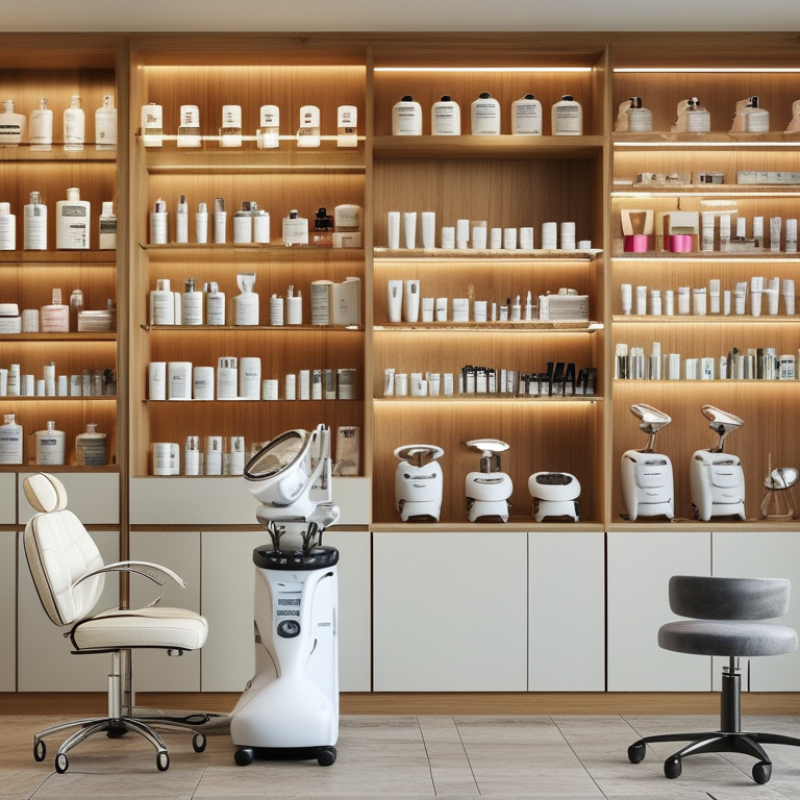
Understanding the Importance of Quality in Beauty Devices
When considering quality in beauty devices, it’s crucial to understand why it matters. Quality products not only enhance your beauty routine but also ensure safety and reliability. Devices that are poorly made can lead to skin irritation or damage. Therefore, assessing the craftsmanship and materials used in any beauty gadget is essential.
Attention to detail matters. Look for specific features like adjustable settings. These can make a device more versatile. Also, check user reviews for common complaints. Devices that consistently receive negative feedback might indicate hidden flaws. It’s not uncommon to find products that promise much but deliver little. The reality is that not every beauty device will meet expectations, and this can lead to disappointment.
Reliable beauty devices often come with clear instructions and safety guidelines. Look for user-friendly designs. Complex gadgets can be intimidating and may not get used. Understanding a device’s technology helps. But remember, even the best devices require proper care. Regular maintenance can prolong their life. Quality doesn’t always mean perfection. Sometimes, a device might have quirks that make it less than ideal. Being aware of this can help manage expectations.
Key Features to Consider When Evaluating Beauty Devices
When evaluating beauty devices, several key features can guide global buyers. First, consider the technology used in each device. Look for devices that utilize reputable science. Popular technologies include LED therapy, microcurrent, and sonic vibrations. These methods have shown effective results in various studies. Seek devices that offer clear information on how they work.
One important aspect to review is safety certification. Devices should comply with relevant safety standards. Certification reassures you about the safety of the device. Check for reliable user reviews and testimonials. They can provide insight into the device's effectiveness and help manage your expectations.
Here are some tips to consider. Always read the user guidelines thoroughly. Sometimes, users overlook them, impacting their experience. Understand that not every device works for everyone. Results can vary based on skin type and conditions. Be cautious of exaggerated claims. Devices taking time to deliver results may be more effective in the long run. Regular use along with patience can lead to noticeable changes. Remember, quality often comes with a price, but it’s wise to prioritize effective features over flashy designs.
Assessing Brand Reputation and Reviews for Beauty Devices
When searching for quality beauty devices, reviews play a crucial role. Customers who share their experiences can provide insights that marketing can't. Look for detailed feedback that covers performance, ease of use, and effectiveness. Seek out both positive and negative reviews. A mix can reveal patterns that highlight strengths and weaknesses.
Brand reputation matters, but it’s not everything. Explore how long the brand has been in the beauty device industry. Longevity often indicates reliability, but check what reviewers say. Sometimes, newer brands offer innovative solutions that established companies overlook. User testimonials can shed light on durability too.
Consider the credentials of the reviewers. Are they beauty experts or everyday users? Expert reviews tend to carry more weight. However, don’t dismiss the opinions of regular users. Their needs often align more closely with yours. Skepticism is key. Be aware that reviews can be influenced. Trust your instincts and look for a consensus before making any purchases.
How to Identify Quality Beauty Devices for Global Buyers? - Assessing Brand Reputation and Reviews for Beauty Devices
| Device Type |
Brand Reputation (1-5) |
Average Rating (1-5) |
Number of Reviews |
Price Range (USD) |
| Facial Cleansing Brush |
4 |
4.5 |
250 |
50-150 |
| LED Mask |
5 |
4.7 |
180 |
120-300 |
| Microdermabrasion Device |
4 |
4.2 |
75 |
80-200 |
| Hair Removal Device |
4 |
4.1 |
300 |
100-250 |
| Face Massager |
3 |
3.8 |
150 |
30-70 |
Analyzing Safety and Compliance Standards in Beauty Devices
When considering beauty devices, safety and compliance standards take center stage. Buyers should understand the significance of these standards. Devices meant for consumer use must meet rigorous safety requirements. These regulations ensure that products are safe for skin and free from harmful materials. Compliance varies by region, so global buyers must research local regulations before purchasing.
Testing procedures are crucial in assessing a device's safety. Manufacturers often conduct biocompatibility tests. These tests examine if materials used in devices cause any adverse reactions. It is important for buyers to ask for test reports. They should verify whether the device has been certified by recognized authorities. However, some manufacturers may lack transparency. This lack of information can lead to buyer confusion.
Compliance also extends to electrical safety and performance claims. Devices should be tested for electrical safety standards. A product may promise miraculous results but not adhere to established guidelines. This inconsistency highlights the need for vigilance among buyers. Buyers should consider reaching out to industry experts for insights. Engaging with professionals enhances understanding and empowers informed choices.
Exploring Innovations and Technologies in Quality Beauty Devices
The beauty device landscape is rapidly evolving, driven by technological advancements and consumer demands. According to recent market research conducted by Grand View Research, the global beauty device market is projected to reach over $85 billion by 2025. Innovations like LED therapy, ultrasound, and microcurrent technology are reshaping how consumers approach skincare. These devices promise to enhance effectiveness, making home treatments more appealing.
One notable trend is the integration of smart technology into beauty devices. Devices that connect to mobile apps can track usage, offer personalized advice, and even analyze skin conditions. This level of personalization is crucial, as reported by Statista, 60% of consumers prefer tailored solutions for their skincare needs. However, the effectiveness often varies. Not every technology works as marketed, and results can differ among users.
Tips for identifying quality devices: Look for clinical studies and data that verify claims. User reviews provide insight but check for common patterns. Innovators frequently update their technology, so staying informed on recent advancements matters. Quality devices also prioritize safety and usability, ensuring that even beginners can navigate their features. While the industry offers exciting possibilities, skepticism is essential. Not all claims are genuinely backed by science.
Conclusion
In today's competitive beauty market, knowing how to identify a quality beauty device is essential for global buyers. Quality in beauty devices is paramount, as it can significantly affect the safety and effectiveness of their use. When evaluating beauty devices, buyers should consider key features such as functionality, ease of use, and versatility. Additionally, assessing the brand's reputation and consumer reviews can provide insights into product reliability and customer satisfaction.
Safety and compliance standards are critical aspects to consider, ensuring that the devices meet necessary regulations for safe use. Furthermore, exploring innovations and technologies can help buyers identify devices that not only perform well but also incorporate the latest advancements in beauty treatment. Overall, a thorough evaluation incorporating these factors will empower buyers to make informed decisions when selecting quality beauty devices.

 TK Beauty