How to Use LED Beauty Devices Safely from China?

Time:2026-11-21 Author:Isabella
0%

LED beauty devices made or sourced from China come in many forms, from handheld wands to full-face masks. Their appearance may be similar, but wavelengths, light output, timer settings, and safety features can differ. That variation matters. Before use, check the manual, intended purpose, and supplier’s technical information. Look for clear instructions on treatment time, distance, cleaning, eye protection, and who should avoid treatment. If these details are missing or confusing, pause and contact the manufacturer or a qualified clinician.

This guide explains how to use led beauty devices safely, with practical steps for checking a device and preparing your skin. Start with clean, dry skin, and follow the schedule provided for your specific model; longer sessions are not automatically better. Use the recommended eye protection, keep the device away from water unless its instructions allow it, and stop if you feel pain, unusual heat, or lasting irritation. A patch test may help reveal sensitivity, though it cannot guarantee a reaction-free treatment. People with eye conditions, photosensitivity, relevant medication use, or ongoing skin problems should seek professional advice before starting. Claims can sound confident. Evidence and product quality still vary. Treat the manual as a starting point, not a promise of results, and keep realistic expectations as you learn how your skin responds.
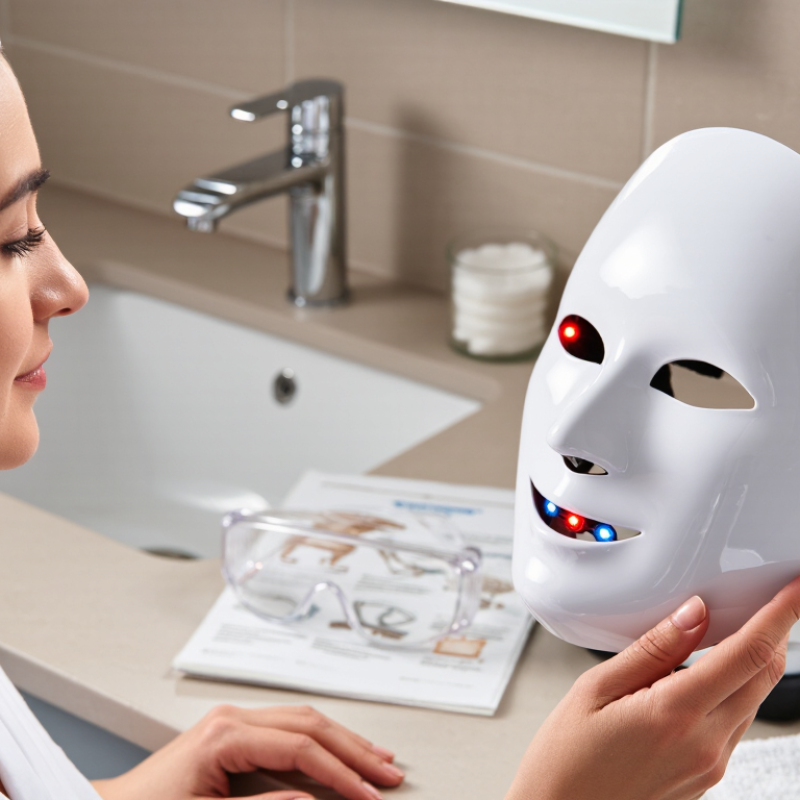
How to Use LED Beauty Devices Safely from China?

Check the Device’s Specifications and Safety Certifications

When buying an LED beauty device from China, check the exact model’s specifications, not just the product listing. Look for its wavelength in nanometres, irradiance at the treatment surface in mW/cm², recommended session time, and required distance from skin. Numbers matter. A high power rating alone does not show how much light reaches your skin.

IEC 62471:2006 assesses optical radiation from 200 to 3,000 nm and defines four risk groups, from exempt to high risk. Ask for a photobiological-safety test report stating the tested model and its risk group. Check that the report comes from a competent laboratory, such as one accredited to ISO/IEC 17025. For electrical safety, request applicable test documentation and verify that its model number matches the device you received. Not enough. A certificate image without a traceable issuer or matching model is weak evidence. I would also compare the manual’s eye-protection instructions with the report’s findings. This check can feel fussy, but a polished label is not a measurement.

Identify the LED Wavelengths and Intended Use

Before using an LED beauty device, check its stated wavelength and intended use, not just its color. Blue light commonly falls near 405–420 nm and is studied for acne-related applications; red light often falls near 630–670 nm, while near-infrared devices may use roughly 810–850 nm. A review in Seminars in Cutaneous Medicine and Surgery describes these bands in photobiomodulation research, but wavelength alone does not prove that a device will help a particular concern. I still find this easy to overlook.

Match the instructions to your goal. A device labeled for acne is not automatically suitable for wrinkles or pain, and a red glow does not reveal its dose. The International Commission on Non-Ionizing Radiation Protection notes that exposure risk depends on factors such as wavelength, intensity, and duration. Check the manual for session time, distance, and eye protection; stop if you feel pain or unusual irritation. Keep a record of exposure, especially when using other light-based products or treatments. If the device’s wavelength or intended use is unclear, ask a qualified clinician before use.

How to Use LED Beauty Devices Safely from China? — Identify the LED Wavelengths and Intended Use

Check the exact wavelength range and intended use for the specific device model. Color names alone do not identify a wavelength, and LED devices can differ in output, treatment area, and recommended exposure.

Light type Typical wavelength range Commonly stated cosmetic use What to keep in mind Practical safety checks
Blue Approximately 405–420 nm Often marketed for acne-prone skin and blemish care. Results depend on the device and use protocol. A cosmetic LED device should not be treated as a substitute for professional acne care. Follow the stated session time. Use eye protection if instructed, and stop if you experience eye discomfort or persistent skin irritation.
Red Approximately 630–660 nm Often marketed for the appearance of skin texture, fine lines, or general skin rejuvenation. Marketing claims are not proof that a device will deliver a particular result. Wavelength alone does not describe the delivered dose. Use only for the time and frequency stated in the device instructions. Keep the device clean and avoid using it on irritated or damaged skin unless a clinician advises otherwise.
Near-infrared Commonly around 800–850 nm Sometimes combined with red light in devices marketed for skin-care or wellness routines. Near-infrared light may be invisible or faintly visible. You cannot reliably judge its output by looking at the LEDs. Never stare into the light source. Follow the manufacturer’s eye-safety instructions and do not assume a device is safe just because the light looks dim.
Amber / yellow Often approximately 590–610 nm Sometimes marketed for the appearance of dullness or uneven-looking skin tone. Evidence and device protocols vary; a color label does not establish effectiveness or suitability for an individual. Confirm the wavelength in nanometers in the technical specifications. Patch-test cautiously if the instructions recommend it, and discontinue use if irritation occurs.
Violet Often approximately 380–450 nm; ranges overlap blue light May be described as a blue-violet setting for blemish-focused routines. “Violet” is a broad color description, not a precise specification. Ask for the actual wavelength range and intended use. Check the instructions for eye protection and exposure limits. Avoid use around the eyes unless the device instructions specifically allow it.
Ultraviolet (UV) Below 400 nm UV is not a routine skin-care LED wavelength for general at-home cosmetic use. UV exposure can harm skin and eyes. Do not assume a device is safe because it is sold as a beauty product. Avoid using a device that emits UV for cosmetic treatment unless its specific purpose, safety instructions, and applicable regulatory status have been independently verified with a qualified professional.
Device and supplier checks Request the measured wavelength range for each light setting Match the device’s stated purpose to its instructions and your intended use. A product listing, color name, or compliance logo alone does not establish a device’s performance or suitability. Documentation should match the exact model being purchased. Ask for the model-specific manual, wavelength specifications, exposure guidance, electrical safety documentation, and relevant test reports. Verify the seller and documents independently; do not use a device with unclear instructions or damaged wiring.

Prepare Your Skin and Inspect the Device

Cleanse your face and let it dry fully; leftover sunscreen or makeup can block light and soil the device. Check the manual for skin conditions, medicines, and eye-protection guidance. Avoid using the device over broken, sunburned, or irritated skin. If you use medication that increases light sensitivity, ask a qualified clinician before treatment. A small patch test can help, though it cannot rule out every reaction. Keep it simple.

Inspect the device before each session. Look for cracks, loose cables, unusual heat, and a clean treatment surface. Confirm that the instructions state the wavelength, treatment time, and required eye protection. IEC 62471:2006 groups photobiological lamp hazards into four risk groups, from Exempt to Risk Group 3. This standard assesses light-related hazards; it does not prove a device will suit every user or deliver a particular result. Don’t guess from appearance.

Tips: Start with the lowest recommended exposure time and use a timer. Stop if your skin feels painful or unusually hot. A detail I would not skip: record any redness and how long it lasts. If irritation persists, pause use and seek professional advice.

Follow the Instructions for Session Time and Eye Protection

LED beauty devices made in China should be used according to their own manuals; wavelengths and output levels vary. Set a timer before starting, and never extend a session because results seem slow. A clinical study of 107 people with acne tested blue light at 415 nm and red light at 660 nm; its findings apply to that study’s equipment and protocol, not every home device (Papageorgiou et al., British Journal of Dermatology, 2000). Follow the session length printed for your device. More exposure is not automatically better.

Protect your eyes. Use the supplied goggles or shields, position them as directed, and do not stare into the LEDs. Closing your eyes may not provide adequate protection. The IEC 62471 photobiological safety standard assesses light-source hazards, underscoring why exposure and viewing distance matter. Keep the device steady at its specified distance, and stop if you feel eye discomfort, unusual warmth, or persistent skin irritation. Not every manual is perfectly clear; if it omits eye guidance or session limits, contact the seller or a qualified clinician before use. People with eye conditions, light sensitivity, or medicines that increase light sensitivity should seek professional advice first.

Clean the Device and Watch for Skin Reactions

How to Use LED Beauty Devices Safely from China?

A clean device matters, especially when its treatment surface touches your face. Switch it off and unplug it before cleaning. Wipe the surface with a soft, lint-free cloth, following the care instructions supplied with the device. Do not immerse it or apply alcohol, sprays, or abrasive cleaners unless the instructions allow them. Moisture near charging ports can cause damage. It is easy to assume a quick wipe is enough, but residue can remain around seams.

Tips: Wash and dry your hands first. Clean the device before and after use. Let it dry fully. Check the cable and treatment surface for cracks or rough edges. If the device came with unclear cleaning guidance, ask the seller or manufacturer before using a cleaning product. Small details are easy to miss.

Watch your skin during and after each session. Follow the stated session time and use any recommended eye protection. Stop if you notice persistent redness, burning, swelling, or discomfort; do not try to push through it. Reactions can have different causes, so seek advice from a qualified health professional if symptoms persist or worsen. A tidy device helps, but it cannot guarantee that your skin will tolerate treatment.

FAQS

How should I prepare my skin?

Cleanse your face and let it dry completely. Remove makeup and sunscreen. Avoid irritated or sunburned areas. I still find the drying step easy to rush.

Should I test a small area first?

A small patch test may reveal irritation, but it cannot predict every reaction. Check your skin afterward. Stop if discomfort persists.

What should I inspect before using the device?

Look for cracks, loose cables, unusual heat, or residue on the treatment surface. Check the manual for wavelength, session time, and eye protection. Don’t guess by appearance.

How long should each session last?

Follow the time listed in the device manual, and set a timer. Start with the lowest recommended exposure. Longer sessions are not automatically better.

Do I need eye protection?

Yes. Use the supplied goggles or shields as directed. Do not stare at the LEDs. Closed eyes may not protect you enough. Keep it simple.

When should I avoid treatment or ask for advice?

Avoid broken, sunburned, or irritated skin. Ask a qualified clinician first if you have an eye condition, light sensitivity, or take medicine that increases light sensitivity.

How do I clean the device?

Switch it off and unplug it. Wipe it with a soft, lint-free cloth, following its care instructions. Keep moisture away from charging ports. Let it dry fully.

What skin reactions mean I should stop?

Stop for persistent redness, burning, swelling, unusual warmth, or discomfort. Pause use and seek professional advice if symptoms continue or worsen. A clean device cannot guarantee your skin will tolerate treatment.

Conclusion

Learning how to use led beauty devices safely starts with checking the device specifications and safety certifications before use. Confirm that the device is designed for your intended purpose, and understand what its LED wavelengths are meant to do. Before each session, cleanse and dry your skin, inspect the device for damage, and make sure it is clean and ready to use.

Follow the instructions for session length and frequency rather than using the device for longer or more often than recommended. Use the specified eye protection, especially when directed, and avoid looking directly into the light. After each session, clean the device as instructed and pay attention to how your skin responds. If you notice persistent redness, discomfort, or another unexpected reaction, stop using it and seek advice from a qualified healthcare professional.

Isabella

Isabella

Isabella is a dedicated marketing professional with a sharp focus on driving brand growth and engagement through strategic content creation. With an extensive background in digital marketing, she combines her passion for storytelling with her keen understanding of industry trends to deliver......