How do led beauty devices work, and what can users realistically expect from them? These devices emit specific wavelengths of light onto the skin, without needles or abrasive contact. Red light is commonly used in skincare devices, while blue light is often intended for acne-prone skin. Some models also use near-infrared light. Each wavelength interacts with skin differently, and the device’s design affects how much light reaches the treatment area. The process is not magic.
Researchers study how light exposure may influence cellular activity, but results vary by wavelength, dose, device, and treatment schedule. A consumer device may not match the equipment used in a clinical study. That distinction matters. Benefits, when reported, are often gradual rather than immediate, and home devices are not a substitute for professional diagnosis or care.
This guide explains the basic science behind LED treatments, what red, blue, and near-infrared settings are designed to do, and how to assess product claims. It also covers practical details, such as following the manufacturer’s instructions, using eye protection when directed, and checking whether a device is suitable for your skin and health needs. Some details remain uncertain, and marketing language can make the evidence seem stronger than it is. If you have a skin condition, take light-sensitive medication, or are unsure whether a device is appropriate, ask a qualified healthcare professional.
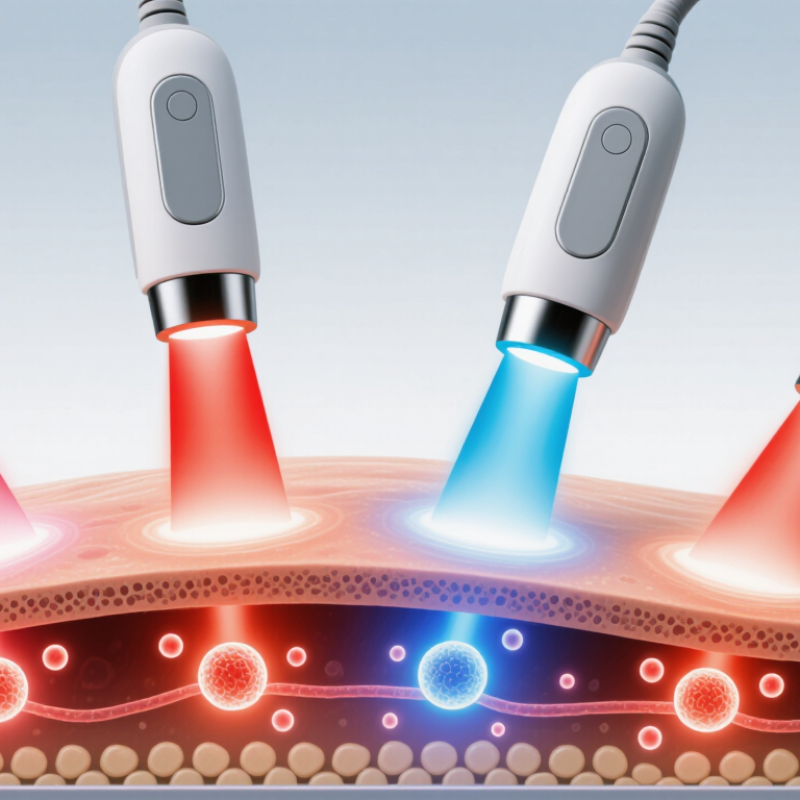
LED beauty devices use light-emitting diodes, or LEDs, to produce specific bands of light. Inside each diode, electrical energy passes through a semiconductor. This process releases photons, the small packets of energy we perceive as light. Light, not heat. No glowing wire is needed. The device’s design determines which wavelengths it emits, often described by color or measured in nanometers.
Different wavelengths interact with skin at different depths, though results depend on the device and its settings. Red light is commonly used for surface-level skincare routines, while some near-infrared light can reach deeper tissue. Blue light is often used in routines focused on blemish-prone skin. These descriptions are not guarantees of a particular result. Output strength, distance from the skin, exposure time, and consistency all matter. The science is still developing, and individual responses vary.
Tips: Follow the device instructions for session length and eye protection. Keep the treatment area clean, and avoid staring directly into bright LEDs. If light causes discomfort, stop using the device. It is easy to assume that brighter means better, but that may not be true; check the recommended settings instead.
LED beauty devices emit specific bands of visible or near-infrared light. The wavelength, measured in nanometres, affects how deeply light travels and which skin components absorb it. Blue light is absorbed mainly near the skin’s surface, while red and near-infrared light generally reach deeper layers. The effect also depends on device power, treatment time, and distance from the skin. Wavelength alone tells only part of the story.
Different wavelengths interact with different targets. Blue light may influence acne-associated bacteria, while red light can affect cellular processes involved in skin repair. Near-infrared light travels farther into tissue, but deeper does not automatically mean better. Research findings vary, and results depend on the device and treatment routine. Skin tone, sensitivity, and eye protection matter too. The science is promising, not magic. Wavelength charts can make these differences seem simpler than they really are.
Tips: Follow the device instructions, protect your eyes as directed, and avoid using a device on irritated skin. Take a clear photo before starting; gradual changes are easy to misjudge. If a treatment causes persistent redness or discomfort, stop and ask a qualified healthcare professional.
How Do LED Beauty Devices Work?
How Light Energy Triggers Cellular Responses
LED beauty devices deliver selected wavelengths of visible light to the skin. Unlike ultraviolet light, these wavelengths are not intended to create a sunburn or tan. Their effects depend on the light’s color, intensity, exposure time, and distance from the skin. Red and near-infrared light are commonly studied for their interaction with skin cells, though devices differ in output.
Cells can absorb light through molecules called chromophores. In mitochondria, one proposed target is cytochrome c oxidase, an enzyme involved in energy production. Light exposure may influence cellular signals linked to ATP, nitric oxide, and reactive oxygen species. These signals can affect processes such as inflammation and collagen-related activity. The response is not a simple switch. It varies with dose and individual biology.
Small details matter. A device held farther away may deliver less energy to the skin, while longer exposure does not automatically mean better results. Research findings also vary across wavelengths, treatment schedules, and study quality. For that reason, a visible change should not be assumed after one session. Consistent use may be studied over weeks, but results are not guaranteed. Follow the device instructions, protect the eyes when advised, and stop if treatment causes persistent discomfort. I’d be cautious about treating every “cellular boost” claim as established fact.
Treatment settings shape how an LED beauty device fits into a routine. The device emits selected wavelengths of light onto the skin. Red and near-infrared light are commonly used in beauty devices, while some include blue light. Wavelength, intensity, session length, and frequency all affect use. More light or longer sessions do not automatically mean better results. Outcomes can vary with the device, skin, and consistency of use.
Follow the device instructions, including recommended distance and session time. Start with clean, dry skin unless the instructions say otherwise. Keep eyes protected as directed, and avoid using the device over irritated skin. Stop if you notice persistent redness, discomfort, or an unusual reaction. LED treatment is not a substitute for professional advice about a skin concern. Honestly, routines can be harder to maintain than they sound.
Tips: Choose one setting and follow its schedule rather than changing several at once. Note the date, duration, and any skin changes. Small changes matter. If a setting feels uncomfortable, reassess instead of pushing through.
LED beauty devices deliver light at selected wavelengths to the skin. Red and near-infrared light may influence cellular processes linked to inflammation and collagen, while blue light is used to target acne-related bacteria. These effects are not guaranteed, and research quality varies by device and skin concern. That distinction is easy to miss.
Use the device as directed, including its stated session time and eye protection. Never stare into the LEDs. Stop if your skin feels painful, unusually hot, or persistently irritated. People with eye or skin conditions, or taking medicines that increase light sensitivity, should ask a healthcare professional before use. Avoid using a device on damaged skin unless a clinician advises otherwise. More is not better.
Results can depend on wavelength, light intensity, treatment distance, and regular use over several weeks. Device fit matters too: a mask that sits unevenly may leave areas untreated. Check whether instructions clearly state the wavelength, session length, and precautions; broad promises alone are hard to assess. Take a photo in the same lighting every few weeks, rather than judging daily. Even then, changes may be subtle—or absent. LED treatment is not a substitute for medical care, and I would be cautious about expecting dramatic results from a home device.
| Topic | Typical Details | What This Means |
|---|---|---|
| How LED light works | LEDs emit specific bands of visible or near-infrared light. Photobiomodulation is the proposed process by which cells respond to absorbed light; it is not the same as ultraviolet tanning. | Effects depend on wavelength and delivered light dose. The exact biological pathways and clinical benefits are still being studied. |
| Blue light | Acne-focused devices commonly use blue wavelengths around 405–420 nm, which can affect acne-associated bacteria near the skin surface. | It may help some people with mild inflammatory acne, but it does not address every cause of acne and should not be expected to clear all breakouts. |
| Red light | Skin-care devices often use red light around 630–660 nm. Research has examined its effects on skin inflammation and collagen-related processes. | Some users may see modest improvements in the appearance of fine lines or skin texture; results vary, and evidence is not conclusive for every device or use. |
| Near-infrared light | Some devices use near-infrared wavelengths, often roughly 800–850 nm, which penetrate farther into tissue than visible red light. | Deeper penetration does not by itself prove a better cosmetic result. Benefits depend on the device, dose, and intended use. |
| Eye safety | Bright light, particularly blue or near-infrared light, may pose an eye hazard depending on exposure and device design. | Follow the device instructions for eye protection; do not stare into LEDs. Keep the device away from the eyes unless it is specifically designed and cleared for that use. |
| Photosensitivity and medication | Some medical conditions and medicines can increase sensitivity to light. Examples of potentially photosensitizing medicines include certain antibiotics and retinoids; effects depend on the specific drug. | Check the product guidance and ask a healthcare professional or pharmacist before use if you have a photosensitivity disorder or take a medicine that may cause light sensitivity. |
| Common safety considerations | Temporary warmth, redness, dryness, or irritation can occur. Risk may increase with excessive exposure, incorrect positioning, or use on irritated or injured skin. | Use only for the recommended session length and frequency. Stop if discomfort or a persistent reaction occurs, and seek medical advice if symptoms are significant. |
| Dose and device design | Results can depend on wavelength, irradiance, exposure time, distance from the skin, treatment area, and how evenly the light reaches the skin. | A longer session is not automatically more effective. Follow the specific device instructions rather than assuming that devices or settings are interchangeable. |
| Consistency and expectations | Any visible change may require repeated use over several weeks. Response varies with the skin concern, individual biology, and consistency of use. | Take baseline photos in similar lighting and assess progress over time. Discontinue or reassess if there is no meaningful improvement after following the recommended course. |
| Limitations | Studies differ in device specifications, treatment schedules, and outcome measures. Home devices may deliver different light doses from devices used in clinical studies. | LED treatment is not a guaranteed result or a replacement for diagnosis and established care. Persistent acne, changing lesions, or other ongoing skin problems warrant professional assessment. |
General information only. Use an LED device according to its instructions and consult a qualified healthcare professional when safety or suitability is uncertain.
It uses light-emitting diodes to produce selected bands of light. The light comes from tiny semiconductor components.
Electrical energy passes through a semiconductor and releases photons. These small energy packets become visible light. No glowing wire is needed.
They can interact with skin at different depths. Red light is commonly used in surface-level routines, while some near-infrared light can reach deeper tissue.
Some routines use blue light for blemish-prone skin. That does not guarantee a particular result.
Not necessarily. Wavelength, intensity, distance, session length, and consistency all matter. Brighter may not mean better.
Start with clean, dry skin unless the device instructions say otherwise. Avoid using it over irritated skin.
Follow the instructions for eye protection and session distance. Do not stare directly into bright LEDs. Stop if light causes discomfort.
Try one setting at a time and follow its schedule. Note the date, session length, and skin changes. Small changes matter.
No. It is not a substitute for professional advice. Persistent redness or an unusual reaction deserves attention.
How do LED beauty devices work? They use light-emitting diodes to deliver selected wavelengths of light to the skin without relying on the heat produced by many conventional light sources. Different wavelengths reach different depths and may interact with skin cells in distinct ways. Depending on the wavelength and treatment design, the light can prompt cellular responses associated with processes such as energy use and the skin’s natural maintenance and repair activity. These responses are gradual, so results can vary and should not be assumed to be the same for everyone.
A device’s settings—including wavelength, intensity, session length, and frequency—shape how it is used. Following the manufacturer’s instructions and using appropriate eye protection are important, since bright light may cause discomfort or pose risks for some users. LED treatments are not a substitute for medical care, and their effects may be limited by factors such as device quality, consistency of use, skin condition, and individual sensitivity.

TK Beauty