In today's fast-paced world, beauty devices have gained immense popularity among consumers. They are no longer just luxury items; they are becoming essential tools for personal care. As consumers navigate this evolving landscape, understanding what consumers expect from modern beauty devices has become crucial.
People desire technology that is not only effective but also easy to use. They seek devices that fit seamlessly into their routines. Features like versatility, portability, and user-friendly designs are priorities. However, many are still unsure about the reliability of these devices. This uncertainty can lead to hesitance in adopting new technology, questioning its claimed benefits.
Moreover, consumers are looking for transparency in the ingredients and materials used in these devices. Concerns about skin sensitivity and allergic reactions are prevalent. As awareness of product safety grows, brands must address these fundamental issues. Consumers want to trust what they are using on their skin. This requires companies to communicate openly about their products, reinforcing their commitment to quality and safety. The beauty industry must reflect these expectations to stay relevant and gain consumer loyalty.
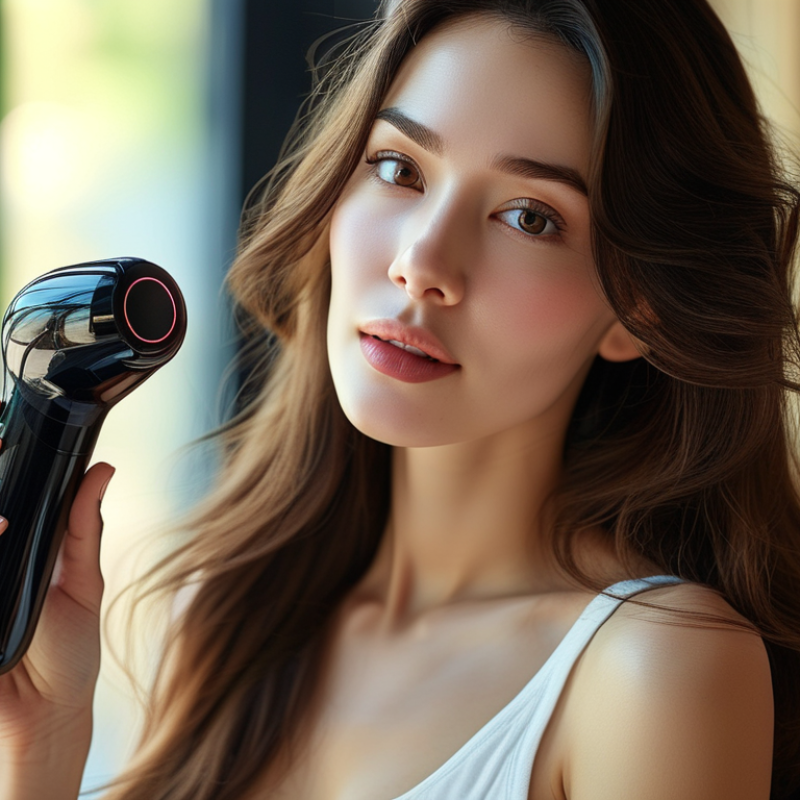
Consumers today seek innovation in beauty devices. They desire multifunctionality that saves time and space. A device that combines cleansing, exfoliating, and moisturizing is highly favored. Simplicity is key; users want intuitive controls and easy setups. Complicated manuals can deter even the most enthusiastic users.
Another crucial feature is portability. Compact sizes and lightweight designs are a must for travel convenience. Battery life also plays a significant role; consumers do not want devices that die quickly. A 30-minute battery life might not cut it for on-the-go individuals.
Moreover, consumers appreciate devices with personalized settings. Tailoring treatments to skin types is becoming more popular. However, they often face challenges in understanding which settings are right for them. Enhanced connectivity options, like smartphones and apps, can help bridge this gap. Users want to track their progress, but not everyone finds apps user-friendly. The demand for seamless integration without overwhelming complexity is evident.
Skin compatibility is crucial in modern beauty technology. Consumers seek devices that align with their unique skin types. Sensitive skin often reacts poorly to harsh treatments. Choosing devices designed with gentle, soothing features can minimize adverse reactions.
Understanding your skin type is the first step. Oily, dry, or combination skin requires different treatments. Some devices may promise results but can aggravate existing conditions. It's wise to consult professionals before investing in beauty gadgets.
Testing devices on a small area first can be smart. This approach allows users to gauge their skin’s reaction. Look for devices with adjustable settings to tailor the experience. Tracking improvements over weeks can also guide future choices. Remember, not every device suits every skin type, and finding the right match may take time.
Modern beauty devices have evolved to meet consumer needs. A user-friendly design is key. Reports show that 75% of consumers prefer products that are easy to use. Navigating gadgets shouldn't feel like rocket science. Simplicity matters, especially for those new to beauty technology.
Many beauty devices today incorporate intuitive interfaces. Touchscreens and straightforward controls enhance accessibility. Yet, some consumers find features overwhelming. 40% of users admit they don’t utilize all functions of their gadgets. This can lead to frustration and underwhelming results. Beauty device manufacturers should prioritize a balance between advanced technology and usability.
Consider these tips for enhancing your experience. First, start with the basics. Familiarize yourself with main functions. This will prevent confusion with advanced features. Secondly, seek devices with clear instructions or tutorials. These resources can clarify complex functionalities. Remember, beauty should be accessible for everyone, regardless of tech-savvy. Embrace simplicity in your beauty regimen.
Smart technology integration is revolutionizing the beauty device landscape. Today’s consumers are increasingly seeking gadgets equipped with advanced features. A report from Statista shows that 70% of users prioritize smart functionality in their beauty devices. This indicates a shift towards technology-driven solutions that promise personalized experiences.
The allure of connectivity drives engagement. Many devices now offer app integration, allowing users to tailor their routines. Data from a recent survey indicates that 65% of consumers prefer devices that sync with smartphones. This seamless interaction helps track progress and enhances user satisfaction. However, some users struggle with complex settings, reflecting a need for simplicity in design.
Moreover, real-time feedback is becoming essential. Nearly 55% of beauty device users appreciate features that provide immediate insights into their skin health. This empowers users to make informed decisions. Nevertheless, concerns about data privacy loom large. Many individuals feel uneasy sharing personal information with apps. The beauty tech industry must address these issues to build trust and foster loyalty among consumers.
| Feature | Importance Level (1-10) | Description |
|---|---|---|
| Smart App Integration | 9 | Users want devices that connect with mobile apps for personalization and tracking. |
| AI-Powered Recommendations | 8 | AI that learns user preferences and suggests treatments or products. |
| Portability | 8 | Devices should be easy to carry for on-the-go use. |
| User-Friendly Interface | 9 | Intuitive controls that make devices accessible to all ages. |
| Connectivity Features | 7 | Bluetooth or Wi-Fi to download updates or connect to other devices. |
| Safety Features | 10 | Devices should include automatic shut-off or temperature control. |
| Long Battery Life | 8 | Consumers expect extended use without frequent recharging. |
| Customization Options | 9 | Ability to adjust settings according to individual skin needs. |
| Sustainable Materials | 7 | Preference for eco-friendly materials in device manufacturing. |
| Affordability | 9 | Consumers seek value for money and budget-friendly options. |
The demand for eco-friendly and sustainable materials in beauty products is rising. According to a recent survey, 75% of consumers prefer brands that use sustainable practices. This reflects a strong shift towards environmentally friendly options. Many consumers are now scrutinizing the ingredients and packaging of beauty devices. They seek transparency and ethical sourcing.
Sustainable beauty devices often utilize biodegradable materials. This reduces plastic waste and promotes a healthier planet. In fact, reports indicate that products made from recycled materials are expected to grow by 30% in the next five years. Brands must adapt to these changing preferences. The beauty industry has a significant responsibility to lead in sustainability efforts.
Avoid single-use plastics in your beauty routine. Opt for reusable alternatives wherever possible. Look for certifications that ensure eco-friendly practices. Evaluate products based on their ingredient sourcing. Is it natural and ethically farmed? These choices reflect a broader commitment to sustainability. Engaging with brands that prioritize these values creates a collective impact on the environment.
: Skin compatibility ensures devices align with individual skin types. Sensitive skin needs gentle treatments to prevent adverse reactions.
Understanding whether your skin is oily, dry, or combination helps in selecting the right treatment. Consult professionals for guidance.
Testing on a small area first can help gauge your skin's reaction. This is a practical way to minimize risks.
A simple design enhances usability. Many consumers prefer easy-to-navigate gadgets, especially those new to beauty technology.
Start with the basics and familiarize yourself with key functions. Clear instructions help make complex features manageable.
Smart features allow personalized experiences, such as app integration for tracking progress. Users increasingly favor gadgets with these capabilities.
Many individuals worry about sharing personal information. Manufacturers must address these concerns to build consumer trust.
No, about 40% of users don’t utilize all functions. This leads to frustration and underwhelming results for some consumers.
Finding the right match may take time. Tracking improvements and consulting professionals can guide your choices.
Simplicity should be prioritized. Beauty technology should be easy to use, regardless of one's technical skills or experience level.
In today’s fast-evolving beauty industry, understanding what consumers expect from modern beauty devices is crucial for innovation and satisfaction. Key features that consumers desire include skin compatibility, ensuring treatments are safe and effective for individual skin types. Additionally, user-friendly designs are paramount, allowing people of all ages and backgrounds to easily navigate and utilize these devices.
Smart technology integration is increasingly sought after, offering personalized experiences and enhanced functionality. Furthermore, the demand for eco-friendly and sustainable materials reflects a growing awareness of environmental impact, encouraging brands to prioritize sustainability in their product offerings. As these trends unfold, they shape the future of beauty technology, fostering deeper connections between consumers and their beauty routines.

TK Beauty