What to Consider When Choosing a Beauty Device?

Time:2026-08-05 Author:Isabella
0%

Choosing a beauty device requires careful consideration. The market is flooded with options, making it difficult to know what is best. According to a recent report by the Global Beauty Device Market, the industry is expected to reach $78 billion by 2026. This growth highlights the importance of understanding what should you look for in a beauty device.

Expert dermatologists often suggest a few key features. Dr. Sarah Collins, a renowned skin care specialist, states, "The effectiveness of a device often relies on its technology and user-friendliness." This insight underscores that not all devices are created equal. The right choice often involves evaluating the technology behind each device, its suitability for your skin type, and the ease of integration into your daily routine.

Moreover, device safety and certification should not be overlooked. Many consumers underestimate the importance of reliable testing and reviews. A device that has not been properly evaluated can lead to disappointment. Therefore, thorough research and professional advice are vital. The right beauty device can enhance your routine significantly, but the wrong one may not yield the desired results.
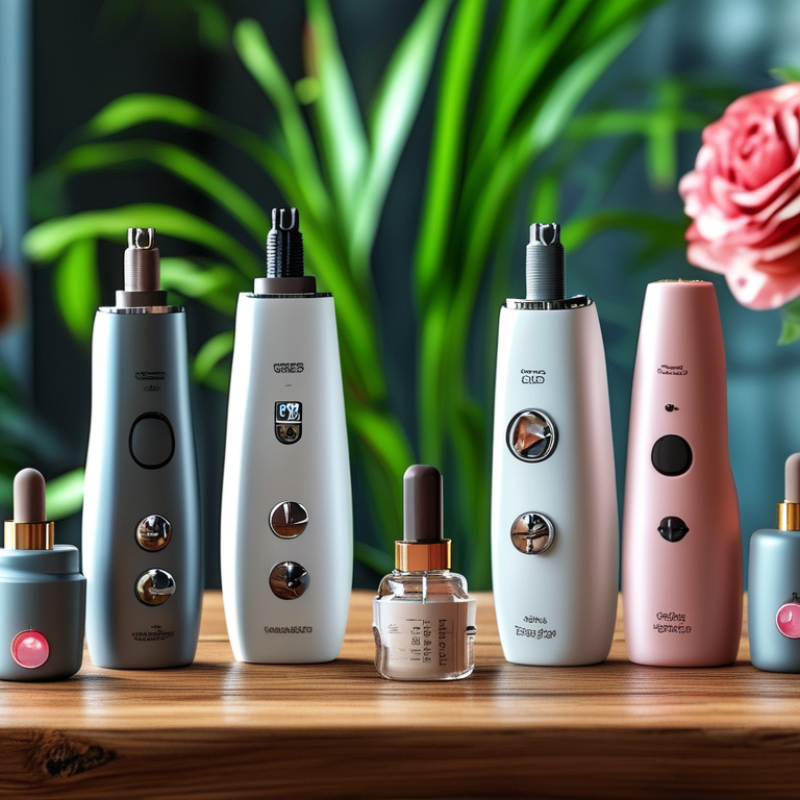
What to Consider When Choosing a Beauty Device?

Types of Beauty Devices Available in the Market

When exploring beauty devices, it's crucial to understand the types available. From facial cleansing brushes to LED light therapy devices, each serves a unique purpose. Facial brushes can deeply clean pores, removing dirt and makeup residue. They enhance the effectiveness of skincare routines but can be harsh on sensitive skin.

Another popular category includes skin-tightening devices. These use radiofrequency or microcurrent technology to improve skin elasticity. Users often report noticeable results, though care is necessary to avoid overuse. The learning curve of these devices can also be frustrating. Not everyone sees immediate improvements, leading to questions about effectiveness.

Finally, consider the spectrum of devices for hair removal. Options range from laser technology to IPL systems. While many find success, others may struggle with results. Personal skin type significantly influences the outcome. Research is essential, as well as patience in the process. Each device comes with its own set of challenges and benefits, requiring thoughtful evaluation before choosing the right one for your needs.

Key Features to Evaluate When Selecting a Beauty Device

When selecting a beauty device, several key features should be evaluated. First, the technology behind the device is crucial. Many reports show that consumers increasingly prefer devices powered by advanced technologies like LED light therapy and microcurrent. According to a recent market analysis, 75% of users reported improved skin texture after using devices with these technologies. This reflects their popularity and effectiveness.

Another critical aspect is usability. A device should be easy to handle and integrate into daily routines. Studies reveal that 63% of users abandon beauty devices due to complex instructions or difficult operation. It's essential to look for intuitive designs that facilitate regular use.

Tip: Before purchase, check user reviews to gauge ease of use.

Safety features must not be overlooked. Devices should meet safety standards and include features that prevent misuse. Reports indicate that nearly 20% of users experienced adverse effects from improperly used devices. Understanding safety protocols can enhance user experience and minimize risks.

Tip: Always prioritize devices with verified safety certifications.

Lastly, consider aftercare support. Many users benefit from ongoing guidance and support, which can significantly impact results. Engaging with communities and forums can provide additional insights into the device’s long-term effects and best practices.

Understanding Your Skin Type and Its Needs

Understanding your skin type is crucial when choosing a beauty device. The American Academy of Dermatology states that skin types can broadly be classified into four categories: normal, dry, oily, and combination. Each type has distinct characteristics that affect its needs. For example, dry skin often lacks moisture and may require devices that provide hydration, while oily skin may benefit from devices that help control excess sebum production.

A study published in the Journal of Cosmetic Dermatology found that specific beauty devices can improve skin conditions when tailored to skin type. For instance, LED face masks and microcurrent devices can enhance collagen production in mature skin. Meanwhile, ultrasonic cleaners effectively remove impurities for oily skin types. Understanding these differences allows users to make more informed decisions.

Many people overlook their unique skin requirements. Some devices are marketed as universally suitable, but this is misleading. Using a device that does not cater to your specific needs can lead to unsatisfactory results. For example, high-frequency devices designed for oily skin can irritate dry skin, causing redness or discomfort. Being aware of your skin's needs will guide you toward effective choices in beauty devices.

What to Consider When Choosing a Beauty Device? - Understanding Your Skin Type and Its Needs

Skin Type Common Concerns Recommended Device Types Key Features to Look For
Oily Skin Acne, enlarged pores, excess shine LED Light Therapy, Microdermabrasion Oil control, deep cleansing, exfoliation
Dry Skin Flakiness, tightness, dull complexion Hydration Devices, Facial Steamer Moisturizing features, gentle heat
Combination Skin Shininess in the T-zone, dryness on cheeks Cleansing Brushes, Sonic Devices Dual-action, adjustable speed settings
Sensitive Skin Redness, irritation, allergic reactions Gentle Cleansing Devices, LED Light Therapy Calming features, hypoallergenic materials
Mature Skin Wrinkles, sagging, loss of elasticity Anti-Aging Devices, Radiofrequency Tools Firming, skin-tightening effects

Budget Considerations for Beauty Devices

When considering the purchase of a beauty device, budget plays a crucial role. The beauty tech market is projected to reach $62 billion globally by 2028, as indicated by recent industry reports. Such figures underscore the importance of informed spending. Devices can range from affordable options under $100 to high-end products exceeding $1,000. It is essential to evaluate what fits your financial plan without compromising quality.

Look for features that align with your beauty goals. Research shows that 72% of consumers prioritize effectiveness over brand reputation when choosing devices. However, it can be easy to overspend on trendy gadgets. Often, less expensive devices use similar technology as premium ones. Balancing cost with functionality is vital. While you may feel tempted by the allure of advanced features, reflect on your genuine needs.

Investing in effective devices ensures you see results without breaking the bank. Consider potential long-term savings. An inexpensive device might save you money initially but could lead to purchase regret if it doesn’t work effectively. Seek expert reviews and real user testimonials. Such insights often reveal the true value of the device beyond just its price tag.

Tips for Researching and Comparing Different Brands

When it comes to choosing a beauty device, research is essential. The beauty tech industry is expected to grow to $62.46 billion by 2025, according to a report from Grand View Research. With so many brands and options, how do you find the right fit? Start by examining the technology behind the devices. Look for scientifically-backed claims and clinical trials that support their effectiveness. This can provide credibility and help you avoid gimmicks that don't deliver results.

Comparing different brands is equally important. Online reviews can be valuable, but be wary of overly positive feedback. A report from BrightLocal revealed that 86% of consumers read reviews for local businesses, including beauty devices. Pay attention to both positive and negative comments to gauge user experiences. Look for consistency in reported benefits and issues. Additionally, consider the warranty and customer service offered by the brands. Reliable support can make a huge difference if you encounter any problems.

Cost can also play a significant role in your decision. While high prices often suggest quality, some mid-range options prove effective as well. A 2022 report from Statista showed that 45% of consumers prefer budget-friendly beauty devices. Reflect on your budget but remember the value of investing in proven technology. Ultimately, choosing a beauty device requires careful consideration. It's crucial to balance personal preferences with solid research, ensuring you make an informed choice.

FAQS

: What types of beauty devices are available in the market?

: There are facial cleansing brushes, skin-tightening devices, and hair removal systems. Each serves a unique purpose.

How do facial cleansing brushes work?

They deeply clean pores, removing dirt and makeup. However, they can be harsh on sensitive skin.

What should I consider when choosing a beauty device?

Evaluate the technology, usability, safety features, and aftercare support. Each feature impacts your overall experience.

Why is usability important for beauty devices?

If a device is complicated, 63% of users abandon it. Look for easy-to-use designs for regular use.

What are the safety concerns regarding beauty devices?

Devices should meet safety standards to prevent misuse. Nearly 20% of users reported adverse effects from improper use.

How does budget influence beauty device choices?

Beauty devices range from affordable to high-end. It's crucial to find one that fits your budget without sacrificing quality.

Should I prioritize brand reputation when purchasing a beauty device?

No, 72% of consumers prioritize effectiveness over brand reputation when choosing devices. Reflect on what truly matters for you.

How can I avoid overspending on beauty devices?

Balance cost with functionality. Less expensive devices might have similar technology to pricier ones.

What role do user reviews play in the purchase decision?

Reading expert reviews and user testimonials can reveal the true value of a device, beyond its price tag.

What can I do if a beauty device doesn't work for me?

Research will help find a suitable device. Reflect on your needs before making a purchase to avoid regret.

Conclusion

When choosing a beauty device, there are several essential factors to consider. First, familiarize yourself with the various types of beauty devices available on the market, as they cater to different skin concerns and treatment goals. Key features to evaluate include the device's technology, ease of use, and safety ratings. Understanding your skin type and its specific needs is crucial, as it guides you in selecting a device that will be most effective for you.

Additionally, budget considerations play a significant role; beauty devices can vary widely in price, so it’s important to find a balance between quality and affordability. Lastly, thorough research and comparison of different brands can help you make an informed decision. In essence, when asking what should you look for in a beauty device, prioritize understanding your skin's needs, the device's features, and your budget to find the best match for your beauty routine.

Isabella

Isabella

Isabella is a dedicated marketing professional with a sharp focus on driving brand growth and engagement through strategic content creation. With an extensive background in digital marketing, she combines her passion for storytelling with her keen understanding of industry trends to deliver......