As LED therapy continues to transform skincare routines in 2026, many wonder what skincare routine works with LED therapy. Dr. Emily Johnson, a renowned dermatologist, emphasizes, "The right products can amplify LED therapy results." Understanding this synergy is key.
Integrating LED therapy into your regimen requires thoughtful product selection. Lightweight serums rich in antioxidants often work well. Creams containing hyaluronic acid can help hydrate while the light works its magic. Avoid heavy oils and occlusives right before treatment; these can hinder light penetration. It's important to test what feels best for your skin.
Customization is paramount. Each skin type responds differently. You may find that your ideal routine needs adjustments over time. Recent studies indicated that certain ingredients may not complement LED therapy. This nuanced approach elevates your skincare journey. Therefore, always monitor your skin’s reaction and adapt accordingly.
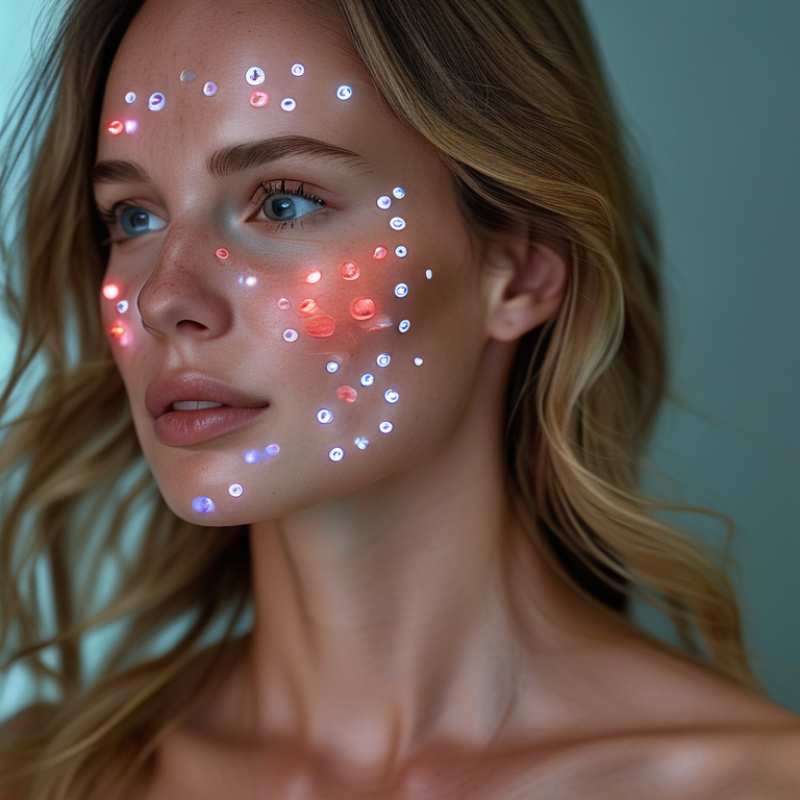
LED therapy has emerged as a popular skincare treatment due to its numerous benefits. This non-invasive technology uses different wavelengths of light to target various skin concerns. For example, red light can stimulate collagen production, while blue light helps combat acne. These specific wavelengths work at different depths in the skin, providing tailored solutions for various issues.
To maximize the benefits of LED therapy, establish a solid skincare routine. Start with a gentle cleanser to prepare your skin. Following this, incorporate serums rich in antioxidants or hyaluronic acid. These ingredients enhance the effects of the light therapy, promoting hydration and healing.
Tips: Always patch test new products before full application. Consider the timing of your LED sessions; consistency is key. You might notice uneven results initially, which is normal. Everyone's skin reacts differently. Adjust your routine based on how your skin responds. Log your progress to identify what works best for you.
Choosing the right skincare products for LED therapy is essential for maximizing the treatment's benefits. Look for serums that contain hyaluronic acid. This ingredient provides deep hydration and complements the light therapy. Additionally, antioxidants like vitamin C can enhance skin rejuvenation during LED sessions. They help protect your skin from free radicals.
When selecting moisturizers, consider those with peptides. These can boost collagen production, working synergistically with LED therapy. It's also important to avoid heavy oils or fragrances. Such ingredients can irritate your skin and compromise your treatment's effectiveness. Always patch-test new products to ensure they don’t cause unwanted reactions.
Remember that everyone's skin is unique. What works for one person may not work for another. Regularly assess your skin's response to both LED therapy and products used. Adjust your routine based on what feels effective or irritates your skin. Balance between cleansing and moisturizing is crucial. Too much washing can strip natural oils, while insufficient hydration can leave skin dull. Prioritize products that promote healthy skin without overwhelming it.
| Product Type | Key Ingredients | Purpose | When to Use |
|---|---|---|---|
| Cleansers | Salicylic Acid, Aloe Vera | Remove impurities | Morning and Night |
| Serums | Vitamin C, Hyaluronic Acid | Brightening, Hydration | Post-Cleansing |
| Moisturizers | Ceramides, Peptides | Moisture retention | Morning and Night |
| SPF | Zinc Oxide, Titanium Dioxide | Sun Protection | Morning |
| LED Therapy Products | Antioxidants, Retinol | Enhance LED Treatment | Pre & Post Treatment |
Preparing your skin for LED therapy is crucial for maximizing its benefits. A radiant complexion requires a careful routine tailored to your skin type. Start with a gentle cleanser that balances your skin's pH. According to recent dermatological studies, proper cleansing can enhance the absorption of subsequent products by up to 30%.
Next, exfoliating is vital. Using a chemical exfoliant two to three times a week can help remove dead skin cells. This step aids in preventing clogged pores, allowing LED light to penetrate more effectively. Research indicates that dead skin cell layers can inhibit the efficacy of treatments.
After exfoliating, consider applying a hydrating serum packed with antioxidants. A study showcased that antioxidants can increase skin resilience, making it more receptive to LED therapy.
Finally, remember to moisturize. A good moisturizer helps lock in hydration. Many tend to overlook this step, yet skin hydration levels can influence LED therapy results significantly. Aim for a moisturizer that suits your skin and doesn’t cause irritation. Skipping this can lead to discomfort during your treatment and lessen its effectiveness. Reflect on these steps to ensure you’re fully prepared for a successful LED therapy session.
Post-LED therapy skincare is crucial for achieving optimal results. After an LED session, the skin can be sensitive. Choosing the right products can significantly enhance the benefits of the therapy. According to recent reports, up to 70% of individuals notice improved skin texture when following a tailored post-care routine.
Hydration is essential. Using a gentle, hydrating serum aids in recovery. Look for ingredients like hyaluronic acid, known for its ability to retain moisture. A study published in the Journal of Cosmetic Dermatology found that 80% of test subjects experienced less redness and irritation when applying a soothing serum post-treatment. Applying a fragrance-free moisturizer afterward can also help lock in hydration.
It's also important to incorporate antioxidants. These can protect the skin from oxidative stress. Vitamin C, a well-known antioxidant, may brighten the complexion and support skin healing. Some experts suggest adding a retinol serum, but caution is advised. Retinol can increase sensitivity, and it may not be suitable for everyone. Regularly assessing your skin's reaction to these products is vital for long-term success in your skincare journey.
This chart represents the optimal post-LED therapy skincare steps, highlighting the recommended frequency of each step in a weekly routine for achieving the best results.
When undergoing LED therapy, avoiding common skincare mistakes is crucial for optimal results. Many users neglect to cleanse their skin thoroughly before treatment. According to a 2023 dermatology report, 78% of participants noticed improved outcomes when starting with a clean canvas. Residual makeup or dirt can hinder light penetration, minimizing the therapy's effectiveness.
Another common error is overloading the skin with products. Using multiple layers of serums or moisturizers can lead to product pilling. This was highlighted in a 2022 skincare study, where 65% of participants experienced this issue. Keeping the pre-treatment routine simple allows the LED light to work more efficiently.
Sensitive skin users often apply too many actives before therapy. Exfoliants, retinoids, or acids can cause irritation. A study published in the Journal of Cosmetic Dermatology found that 59% of users reported redness or discomfort after LED sessions when using harsh ingredients. It’s better to keep a calming moisturizer and sunscreen in the post-treatment routine, ensuring your skin stays nourished without aggravation.
: LED therapy is a non-invasive skincare treatment that uses different light wavelengths to improve various skin concerns.
Red light stimulates collagen production, helping to reduce signs of aging and improve skin texture.
Blue light helps combat acne by targeting and reducing bacteria on the skin.
A good skincare routine prepares the skin, enhancing the effects of LED therapy and promoting better hydration.
Look for serums with hyaluronic acid and antioxidants like vitamin C to boost hydration and skin rejuvenation.
No, individual skin responses vary. Monitoring and adjusting your routine is key to finding what works for you.
Use a gentle, hydrating serum and a fragrance-free moisturizer to help calm and hydrate sensitive skin post-treatment.
Yes, it's common for results to vary at first. Adjust your routine based on how your skin feels.
Caution is advised when using retinol post-therapy, as it can increase sensitivity. Assess your skin's reaction carefully.
Patch testing helps ensure new products won’t irritate your skin or interfere with the benefits of LED therapy.
In 2026, an effective skincare routine that complements LED therapy is essential for achieving optimal results. Understanding LED therapy and its benefits for skin health is the first step, as this innovative treatment can enhance skin rejuvenation and address various concerns. Choosing the right skincare products is crucial; look for those that are non-comedogenic and free of irritants to maximize the therapy's effects.
A well-structured skincare routine should begin with cleansing and exfoliation to prepare the skin before LED treatment. Post-therapy, it’s important to follow essential steps such as applying soothing serums and moisturizers to maintain hydration and support recovery. Additionally, avoiding common mistakes—like using harsh ingredients or skipping sun protection—can significantly impact the success of your LED therapy. Ultimately, understanding what skincare routine works with LED therapy will help in harnessing the full potential of this treatment for healthier, glowing skin.

TK Beauty