The rise of LED beauty devices has revolutionized skincare. These innovative tools promise glowing skin and youthful appearances. But how do LED beauty devices work? Understanding their mechanisms can demystify their effectiveness.
LED devices utilize specific wavelengths of light to target various skin issues. Different colors address different concerns, from acne to wrinkles. For example, red light stimulates collagen production, while blue light reduces acne-causing bacteria. These technologies seem promising, yet some users may not achieve the expected results.
Many factors influence the effectiveness of these devices. Individual skin types, treatment consistency, and adherence to guidelines matter. Some users report minimal improvements, sparking debates about their reliability. Exploring how do LED beauty devices work can offer insights into their potential benefits and limitations. Ultimately, they may complement but not replace traditional skincare routines.
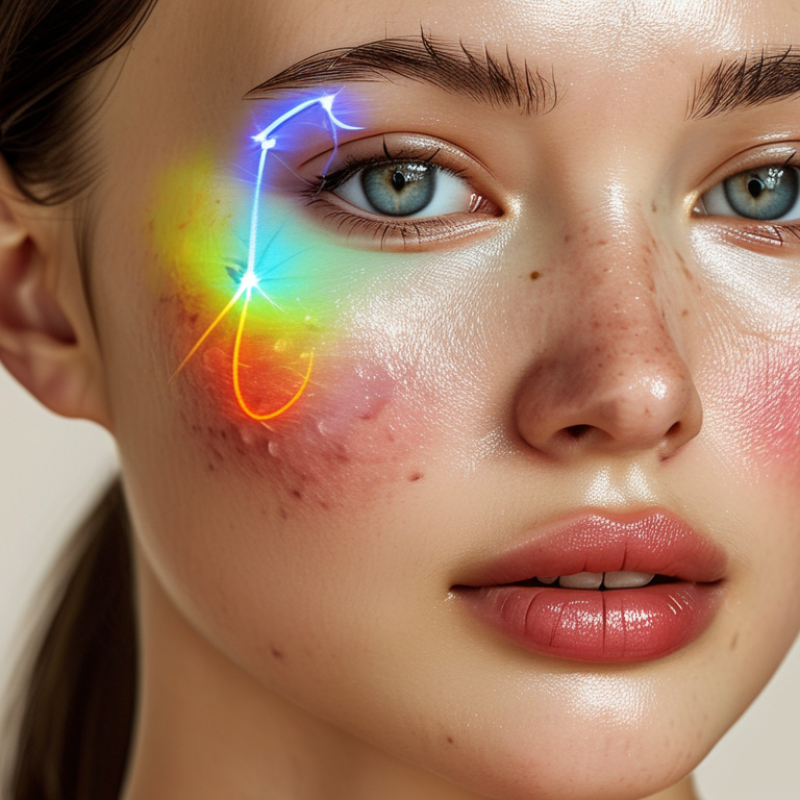
LED beauty devices have gained immense popularity over recent years. Many users seek skin treatments that are effective yet gentle. These devices harness the power of specific light wavelengths to promote skin health. For instance, red light can help stimulate collagen production. Blue light targets acne-causing bacteria. Green light may assist in reducing pigmentation issues.
Consumers appreciate the convenience of using these devices at home. They often incorporate them into their daily skincare routine. However, users should approach these treatments with realistic expectations. Results can vary significantly based on skin type and consistency of use. It’s important to remember that not every device works for everyone.
Many professionals recommend consulting with a dermatologist before starting any new treatment. This ensures that users select devices tailored to their unique skin concerns. Ongoing research continues to shed light on the efficacy of these technologies. The beauty industry is evolving, yet careful consideration is needed when embracing new trends.
LED beauty devices use different types of light to target specific skin concerns. Red light therapy stimulates collagen production. This can help reduce wrinkles and fine lines. It's commonly used for anti-aging treatments.
Blue light is effective for acne. It targets the bacteria that cause breakouts, reducing inflammation and preventing future acne. Many people report clearer skin after consistent use. However, the effectiveness can vary by individual.
Green light reduces pigmentation and promotes an even skin tone. It can be helpful for people with sunspots or redness. Yet, not everyone sees immediate results. Understanding how each light works helps in choosing the right device. Keep in mind that individual skin types may respond differently. The journey to perfect skin might require patience and experimentation.
LED beauty devices harness light technology to improve skin health. They utilize specific wavelengths that penetrate the skin layers, triggering cellular responses. Research indicates that red light therapy can boost collagen production by up to 200%. Meanwhile, blue light targets acne-causing bacteria effectively, reducing breakouts significantly.
The mechanism involves photons activating skin cells. When these cells absorb light, they energize, enhancing cellular functions. Studies show that consistent use of LED devices can diminish fine lines and enhance skin texture over time. However, not all devices yield the same results. Effectiveness can vary based on skin type and light wavelength used.
It’s crucial to note that while many users report positive outcomes, some may experience irritation or minimal improvements. Not all LED treatments are suitable for everyone. Each individual's skin reacts differently, making it essential to approach these technologies cautiously and ideally under professional guidance.
LED beauty devices are gaining popularity for their effectiveness in skincare and aesthetics. These devices use specific wavelengths of light to target various skin issues. Red light can stimulate collagen production, promoting a youthful appearance. Blue light helps combat acne by killing bacteria on the skin’s surface. Using these treatments regularly may enhance your skincare routine and provide visible results.
However, results can vary greatly from person to person. Some may notice improvements quickly, while others might need multiple sessions. Consistency is key. It's important to follow the manufacturer’s instructions for optimal results. People with certain skin conditions should consult a dermatologist before starting any LED treatments.
Incorporating LED devices can feel overwhelming due to the multitude of options available. Users should choose a device that suits their specific skin concerns. Effectiveness depends on factors like skin type and issue severity. While many users rave about their results, it’s important to remain realistic about expectations. Achieving the desired skin benefits takes time and patience.
When using LED beauty devices, safety considerations must be a priority. A study by the International Journal of Dermatology reported that improper use can lead to skin irritation. It's essential to follow the manufacturer's instructions for duration and frequency of use. Most recommendations suggest sessions lasting between 10 to 30 minutes, spaced out over days or weeks.
In addition, understanding the skin type is critical. Some individuals with sensitive skin may not react well to certain wavelengths. Research indicates that around 20% of users experience discomfort with LED devices. If you notice any adverse reactions, it’s wise to cease usage and consult a dermatologist. Regular patch tests can identify potential reactions before committing to full sessions.
Moreover, proper eye protection is vital. Direct exposure to LED lights can cause vision issues. Always wear protective eyewear during treatment. Additionally, ensuring the surface is clean before application can enhance efficacy and safety. This simple step reduces the risk of infections, which can inadvertently occur in 5% of beauty device users when hygiene is overlooked. Adapting practices can lead to a safer and more effective experience with these innovative beauty tools.
This chart displays the effectiveness ratings of various LED beauty devices on a scale from 1 to 10. It provides a comparative overview of their performance based on user feedback.
: They are used to improve skin health using specific light wavelengths.
Red light stimulates collagen production, promoting a youthful appearance.
Blue light targets and kills acne-causing bacteria on the skin’s surface.
Yes, many people incorporate them into their daily skincare routine.
Yes, it’s recommended to ensure the device suits your skin concerns.
No, results vary significantly based on skin type and consistency.
Regular use is important, but always follow the manufacturer’s instructions.
Yes, patience is essential to achieve desired skin benefits.
Consider your specific skin issues and how severe they are.
Users with certain skin conditions should seek professional advice before use.
LED beauty devices have gained immense popularity due to their innovative approach to skincare and aesthetics. These devices utilize different types of LED lights, each serving unique functions such as reducing inflammation, enhancing collagen production, or treating acne. The science behind how do LED beauty devices work involves stimulating skin cells with specific wavelengths of light, promoting cellular repair and rejuvenation.
In addition to their effectiveness, the benefits of using LED devices include improved skin texture, reduced signs of aging, and overall radiance. However, it's essential to consider safety precautions and best practices when using these devices to ensure optimal results and minimize any potential risks. Overall, LED beauty devices offer a safe and non-invasive method to enhance skincare routines and achieve healthier skin.

TK Beauty