What Beauty Innovations Will Shape Global Sourcing in 2026?

Time:2026-10-24 Author:Ethan
0%

Global beauty sourcing is entering a more demanding phase in 2026. Brands are searching beyond lower prices. They want resilient suppliers, measurable sustainability, and faster product development. The central question is: what innovations are shaping the beauty industry across laboratories, factories, and retail shelves?

Artificial intelligence will support formula screening, demand forecasting, and personalized product recommendations. However, it will not replace experienced chemists or responsible human judgment. Digital product passports may connect a serum to its ingredients, manufacturing site, and packaging history. That visibility could strengthen buyer confidence. It may also expose weak supplier records. Better traceability is valuable. Yet, implementation remains uneven across regions and company sizes.

Biotechnology will influence ingredients, including precision-fermented actives and lab-grown alternatives to resource-intensive materials. Waterless formats, refill systems, and lightweight packaging will also affect global sourcing decisions. L’Oréal CEO Nicolas Hieronimus has described beauty as “a universal human need.” That perspective matters because innovation must serve different skin types, climates, budgets, and cultural preferences. A brilliant formula still fails when it cannot travel safely or meet local requirements.

The sourcing winners may combine scientific evidence with practical manufacturing experience. They will examine claims, stability data, worker conditions, and supply continuity. Not every “green” innovation will deliver genuine impact. Some solutions may create new waste or depend on fragile technologies. That uncomfortable possibility deserves attention. Beauty sourcing in 2026 will reward curiosity, but also restraint, verification, and the courage to revise confident assumptions.
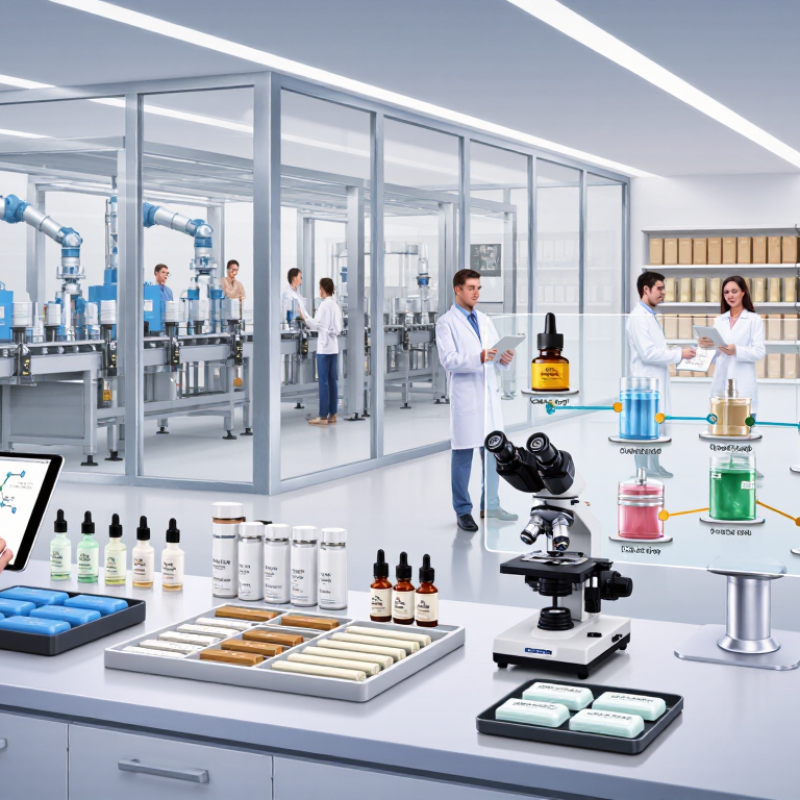
What Beauty Innovations Will Shape Global Sourcing in 2026?

Defining the Beauty Innovations Reshaping Global Sourcing in 2026

Beauty sourcing in 2026 will be shaped by innovations that connect formulation, manufacturing, and evidence. Artificial intelligence can screen thousands of ingredient combinations before laboratory testing begins. However, its suggestions still require chemist review, stability trials, and safety assessments.

Data matters.

Biotechnology will support more consistent ingredients with lower pressure on farmland and water supplies. Suppliers may provide fermentation records, batch details, and verified origin information through digital traceability systems. This evidence helps sourcing teams compare materials beyond price. It also exposes weak documentation.

Not always.

Waterless formats, concentrated formulas, and lightweight packaging can reduce transport weight and factory consumption. Refill systems may become more practical when components are durable, hygienic, and easy to return. Sourcing managers will need to test the full process, including damaged units, cleaning steps, and regional collection limits.

A clever package can fail in ordinary homes.

Automation will improve small-batch production and inspection accuracy, especially where filling requires precise measurements. Regional manufacturing may also shorten lead times during port delays or sudden demand changes. Still, innovation can create new risks. Software needs cybersecurity controls, suppliers need independent audits, and environmental claims need measurable boundaries. Human judgment remains essential when laboratory results conflict with commercial pressure.

Mistakes will happen.

Reliable sourcing will depend on how clearly companies document them, correct them, and share lessons with qualified partners.

Mapping Breakthrough Technologies Across Beauty Product Categories

Beauty sourcing in 2026 will be shaped by technologies that solve practical category problems. In skincare, precision fermentation can produce consistent active ingredients with lower land use. Yet performance depends on process control, purity testing, and regional approval. AI-assisted formulation can shorten testing cycles. Human stability testing still matters.

Haircare is moving toward personalized diagnostics, refillable packaging, and concentrated formulas. Scalp imaging may guide product selection through oil, dryness, or sensitivity data. The data is useful, but not perfect. Lighting and device quality can distort results. Suppliers will need strong validation records, transparent data handling, and repeatable manufacturing.

Color cosmetics may gain from digital shade matching and flexible small-batch production. These tools can reduce excess inventory across diverse skin tones. They cannot replace trained evaluation under different lighting. Fragrance sourcing may also change through biotechnology and safer aroma development. Performance, sensory quality, and allergen documentation remain essential. Packaging innovation will connect every category, from lightweight mono-material containers to water-soluble components. The map is not clean. New materials often face higher costs, limited suppliers, or weak recycling systems. Global buyers should compare laboratory evidence, factory experience, traceability, and local compliance before scaling. A promising prototype is not yet a reliable supply solution.

Evaluating Sustainable Materials, Packaging, and Production Methods

Global beauty sourcing in 2026 will depend less on novelty than on measurable material choices. In sourcing reviews, teams are examining recycled aluminum, bio-based polymers, refill systems, and paper structures. Each option has trade-offs. Recycled aluminum can reduce virgin extraction, yet production still requires substantial energy. Bio-based plastics may lower fossil input, but land use and disposal routes need careful checking. No option is perfect.

Packaging decisions now require evidence from factory to disposal. Suppliers should provide traceability records, recycled-content data, and durability test results. A lightweight jar that cracks during shipping creates waste before reaching consumers. Refill formats can cut packaging volume, but only when replacement is clean, intuitive, and affordable. Small details matter. I would inspect closure fit, moisture resistance, label adhesion, and transport damage during supplier trials. These checks often reveal gaps hidden in polished presentations.

Production methods are changing as well. Low-temperature processing, water-efficient cleaning, and renewable electricity can reduce factory impacts. Digital production records may improve consistency across distant facilities. However, data alone does not guarantee honest reporting. Independent audits, corrective plans, and repeated verification remain necessary. Some sustainability claims will fail under closer review. That is uncomfortable, but useful. Buyers should compare lifecycle data, worker safety practices, and local recycling infrastructure before approving volume orders. The unresolved question is simple: can each material be recovered where it is sold?

What Beauty Innovations Will Shape Global Sourcing in 2026?

Evaluating sustainable materials, packaging, and production methods through 2030 recycled-content requirements.

The European Union’s Packaging and Packaging Waste Regulation sets minimum recycled-plastic content targets for packaging placed on the EU market from 2030. These requirements are likely to influence global beauty sourcing decisions, including material selection, packaging design, recycled-resin availability, and production traceability.

Source: Regulation (EU) 2025/40, Article 7. Values represent minimum recycled-content percentages by packaging category.

Examining Supply Chain Intelligence and Faster Innovation Cycles

In 2026, global beauty sourcing will depend less on isolated trend reports and more on live supply chain intelligence. Procurement teams will connect supplier capacity, ingredient availability, freight signals, and regional demand in one working view. A delayed shipment from a coastal plant may change a launch plan within hours. Useful intelligence must be verified, not merely visualized. Teams should compare supplier declarations with batch records, audit findings, and delivery performance. They also need clear data ownership. Otherwise, dashboards create confidence without accuracy. Small suppliers may lack sophisticated systems. That gap deserves practical support, not automatic exclusion. It is an uncomfortable point.

Faster innovation cycles will favor modular formulas, flexible packaging components, and smaller pilot runs. A lab sample should move quickly into stability testing, safety assessment, and manufacturability review. Speed cannot replace evidence. It should remove waiting. Digital sampling can reduce email exchanges, while shared specifications prevent late reformulation. Yet rapid development can expose weak assumptions. A prototype may perform well in a controlled room but fail after humidity, temperature shifts, or repeated transport. Sourcing leaders should record these failures openly and adjust supplier scorecards. In my view, the strongest teams will use scenario planning: one source disruption, one material shortage, and one unexpected demand spike. Plans will still be imperfect. That is normal. The advantage comes from learning before the next purchase order.

Assessing How Brands and Suppliers Will Adapt to New Sourcing Demands

What Beauty Innovations Will Shape Global Sourcing in 2026?

Assessing How Brands and Suppliers Will Adapt to New Sourcing Demands

Global beauty sourcing is moving from price-led buying toward measurable resilience. In 2026, buyers will examine how ingredients are grown, processed, transported, and documented. Digital traceability tools can record batch origins, water use, certifications, and processing dates. That evidence helps procurement teams compare suppliers with greater confidence. It also exposes weak data. Reality is messier.

Suppliers will need smaller, flexible production systems. A laboratory may request three versions of one botanical extract, each with different purity levels. Manufacturers that can adjust formulas without excessive waste will become more valuable. Low-water extraction, refill-ready packaging components, and recyclable materials will influence sourcing decisions. These innovations require technical testing, not attractive claims. A clean-looking sample proves little.

Brands will also depend on closer supplier collaboration. Shared forecasting can reduce emergency shipments and unnecessary inventory. Regional manufacturing may shorten lead times, but it will not automatically reduce environmental impact. Energy sources, transport distances, and local infrastructure still matter. Buyers should verify these details through audits, production records, and independent testing. Human expertise remains essential when automated systems flag unusual results. Data can guide judgment, but it cannot replace experienced quality teams.

Some sourcing plans will fail. Forecasts may miss seasonal demand, while new materials may perform poorly at scale. Responsible teams will document those failures and revise specifications instead of hiding them. Suppliers that communicate delays early, explain technical limits, and provide corrective evidence will earn stronger long-term trust.

FAQS

How can artificial intelligence support beauty formulation sourcing?

It can screen thousands of ingredient combinations before laboratory testing begins. Chemists must still review results, stability, and safety.

What evidence should suppliers provide for biotechnology-derived ingredients?

Ask for fermentation records, batch details, and verified origin information. These records reveal consistency and expose weak documentation.

Can waterless formulas reduce environmental impact?

They may reduce factory water use and transport weight. Their benefits depend on formulation performance, packaging, and actual consumer use.

What should teams test before approving refill packaging?

Test closure fit, hygiene, cleaning steps, return systems, and damaged units. A clever package can fail at home.

Why can lightweight packaging create new waste?

Thin materials may crack during shipping. Inspect moisture resistance, label adhesion, durability, and transport damage during supplier trials.

Which sustainable materials deserve closer comparison?

Recycled aluminum, bio-based polymers, refill systems, and paper structures all have trade-offs. No option is perfect.

How can factories reduce production impacts?

Low-temperature processing, water-efficient cleaning, and renewable electricity may reduce factory impacts. Results require measurable records.

Are digital production records enough to prove sustainability?

No. Data can improve consistency, but it cannot guarantee honest reporting. Independent audits and repeated verification remain necessary.

When can regional manufacturing improve sourcing reliability?

It may shorten lead times during port delays or sudden demand changes. Capacity, quality, and local energy sources still need checking.

What question should buyers ask before placing volume orders?

Ask whether each material can be recovered where it is sold. Local recycling systems may be limited. I might underestimate that risk.

Conclusion

Beauty sourcing in 2026 will be shaped by innovations that connect advanced technology, sustainability, and speed. The question of what innovations are shaping the beauty industry will increasingly focus on AI-assisted product development, biotechnology-derived ingredients, smart testing tools, personalized formulations, and improved manufacturing systems across skincare, haircare, color cosmetics, and personal care. These technologies can help suppliers create more effective products while supporting greater transparency, quality control, and flexible production.

Sustainable materials, recyclable or refillable packaging, low-impact production methods, and responsible resource management will become central to sourcing decisions. At the same time, supply chain intelligence, real-time data, automation, and regional manufacturing networks will enable faster responses to changing consumer needs and shorter innovation cycles. Brands and suppliers will need to collaborate more closely, share reliable information, strengthen compliance, and invest in adaptable capabilities. Success will depend on balancing creativity, efficiency, environmental responsibility, and resilience throughout the global beauty supply chain.

Ethan

Ethan

Ethan is a seasoned marketing professional with a deep expertise in our company's innovative product line. With a passion for sharing knowledge and insights, he takes the lead in regularly updating our corporate blog, where he explores industry trends, product features, and effective marketing......